What you need to know:
- Skyrocketing RAM and storage costs in 2026 are forcing smartphone prices up and hitting budget-friendly brands the hardest.
- Manufacturers are either absorbing the costs, adding premium features to justify price hikes, or downgrading memory specs to keep devices affordable.
- Expect 2026 to bring smaller product lineups and a shift toward software optimization as brands struggle to do more with less hardware.
The RAMpocalypse is here. PC builders are SOL on pricing for both SSDs and RAM, and we’re seeing the direct effects of the component shortage on phones being released this year. The bad news is that we’re not even through Q1—if anything, it’s going to get worse. Brands are still working through component stockpiles purchased in 2025 for the phones hitting shelves now. 2026 is shaping up to be a tough year for consumers, but it will be a turning point for many brands, especially those built on selling affordable hardware.
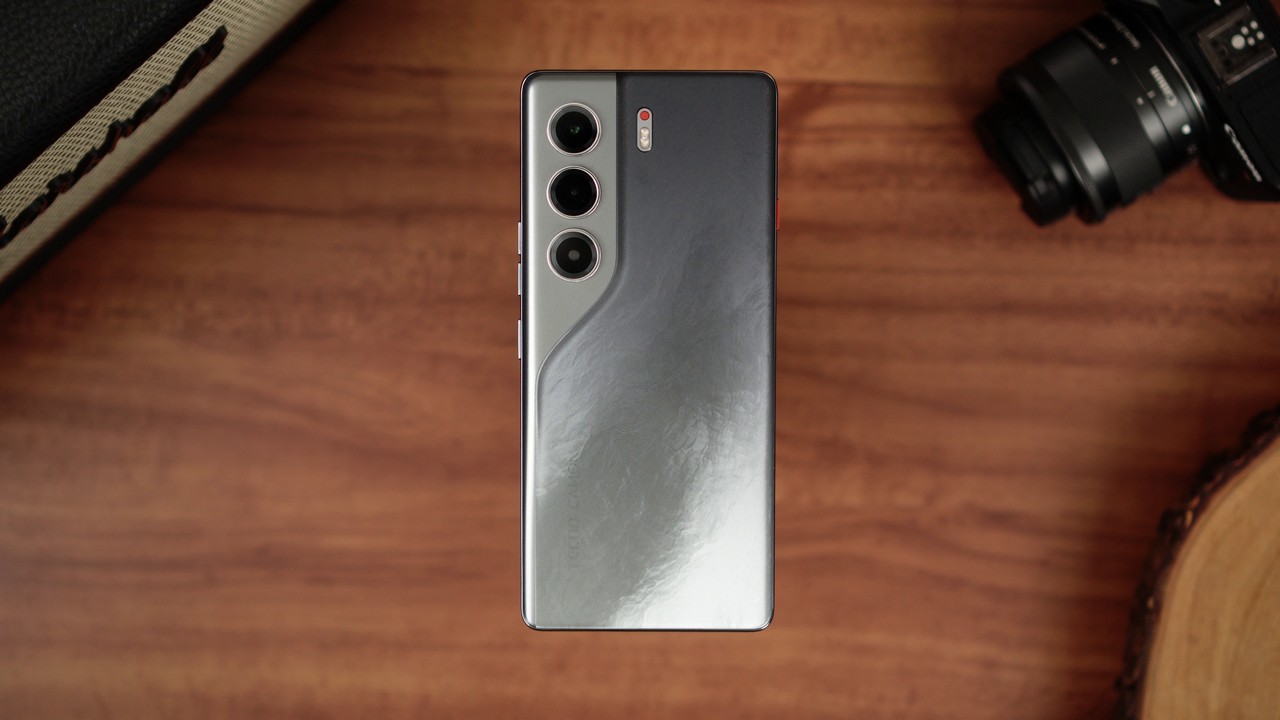
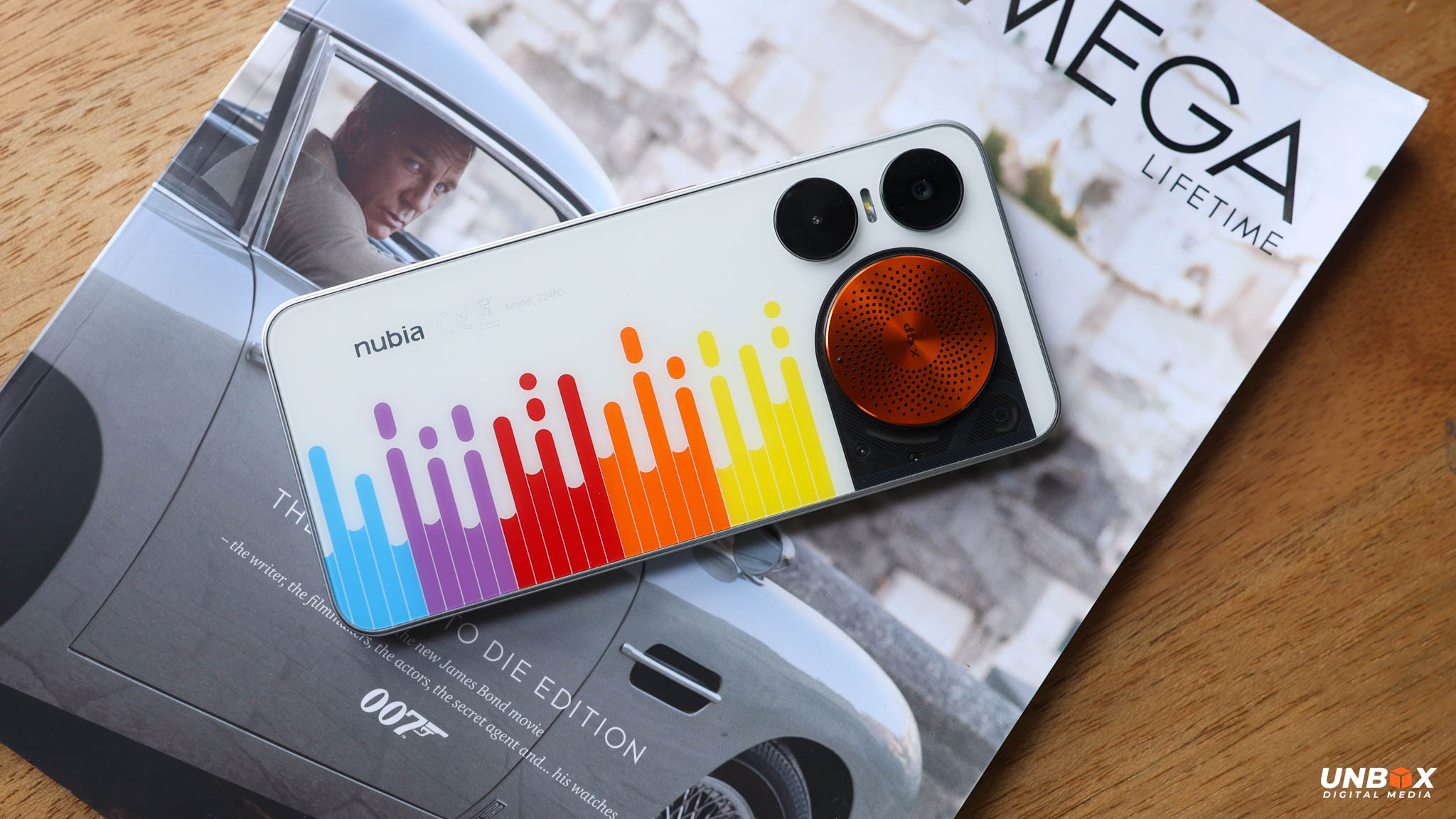
Historically, brands like TECNO, INFINIX, realme, and Nubia have raked in profit from the lower end of the market—a segment that has come to expect high-spec phones paired with aggressive pricing. In the past, this hasn’t been a problem. While their margins were lower than competing giants like HONOR, OPPO, and Samsung, those thin margins were offset by massive sales volumes.
Unfortunately, those razor-thin margins are becoming untenable. In the volatile environment of 2026, component prices for both DRAM and storage have doubled—and in some cases, tripled—depending on the vendor. Phone prices are going to rise; there’s no getting around that fact. The real question is how much they will climb and what brands can do to mitigate the damage.

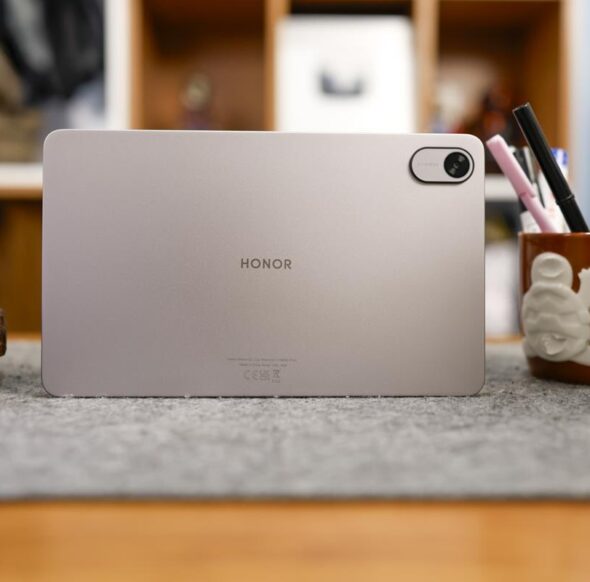
Some brands, like HONOR, have decided to absorb the shock of the price increase to avoid alienating users. We saw this with the X9d 5G, where the Philippines received a significantly lower price compared to other SEA nations like Malaysia and Thailand.
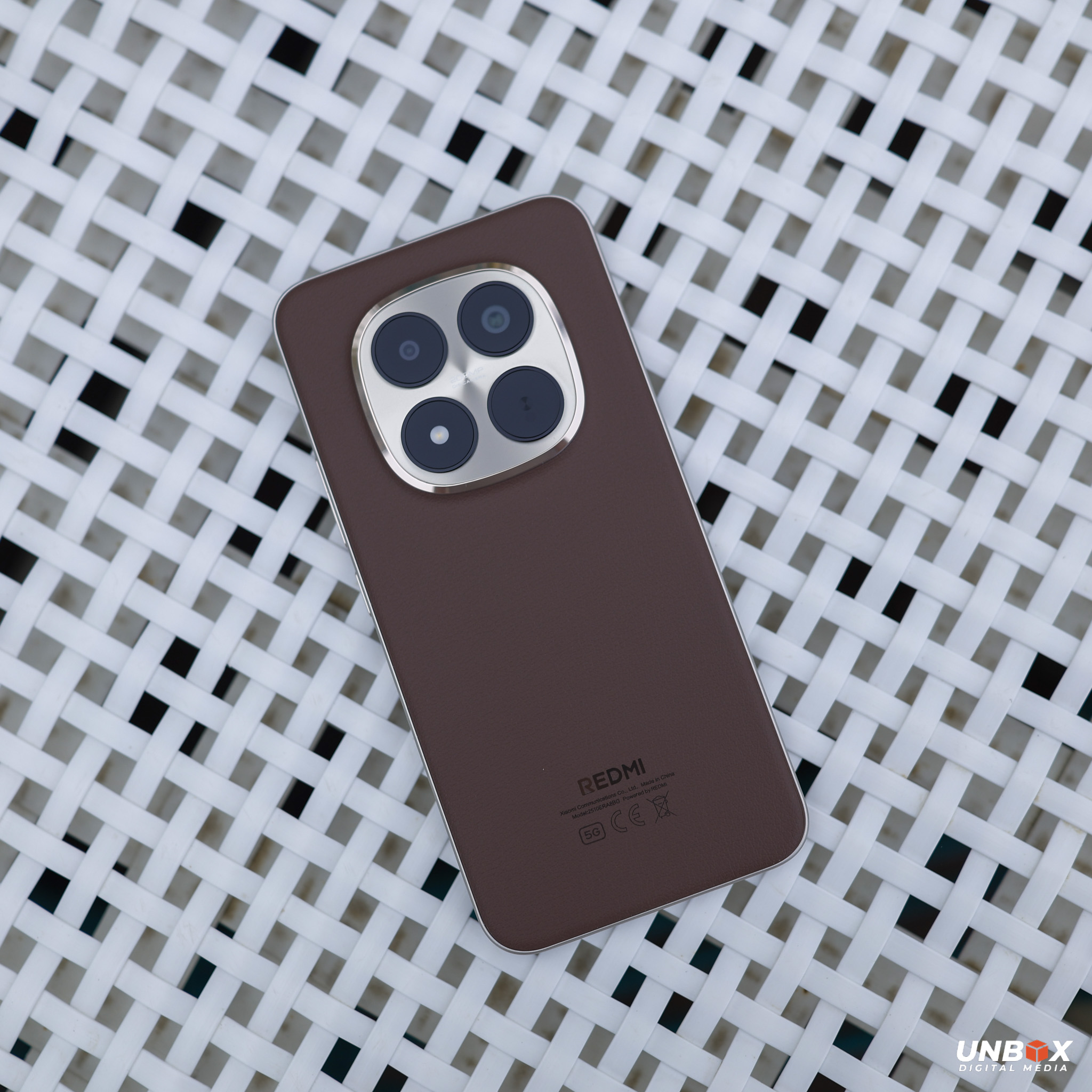
Another tactic is “spec-padding”—stuffing in higher-quality hardware, such as the improved camera optics Xiaomi used for the Redmi 15 Pro+, to justify the steep price hike. Then there’s the “downgrade” route: reducing RAM and storage variants to keep prices under control. However, this is a risky move now that users have become accustomed to plentiful memory.
These mitigation options are a dicier proposition for budget brands. Their thinner margins make it harder to absorb a higher Bill of Materials (BOM). Furthermore, their core audience is incredibly price-sensitive; too much of an increase will drive them toward any competitor willing to take a loss to retain market share.
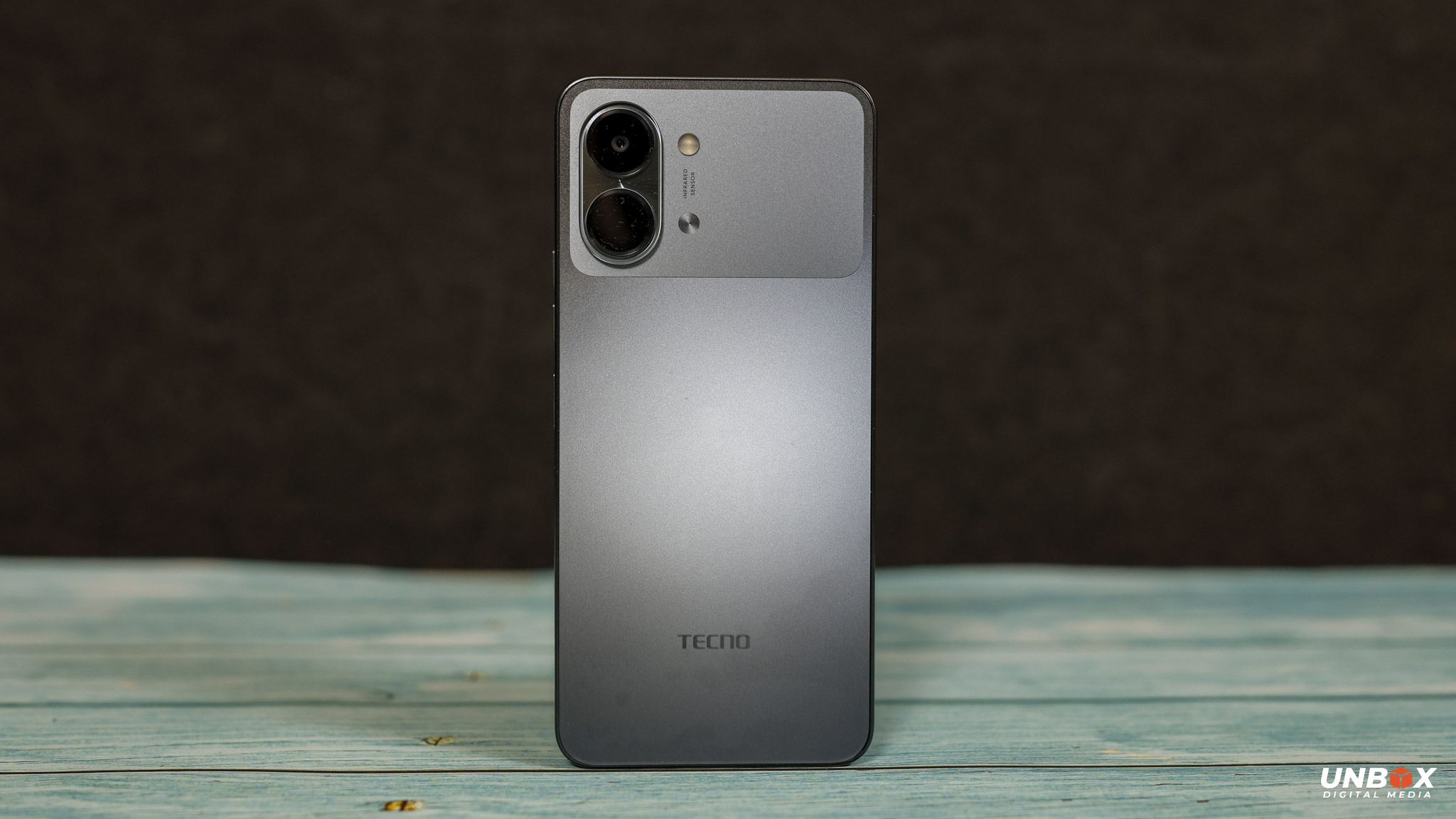
We expect brands to trim their 2026 lineups to reduce production overhead. You’re also likely to see shrinking capacities—don’t be surprised if 4GB/128GB combinations start appearing on shelves again. Hopefully, this forces brands to spend more time optimizing software to run on fewer resources. In 2026, the phone that comes out on top won’t necessarily be the one with the best processor or the most RAM; it will be the one that can do more with less via software and AI integration.
It’s going to be interesting to see which brands survive this year’s component crisis. We’re only a few weeks away from Mobile World Congress 2026 (MWC 2026) in Barcelona, which is typically when we’ll see the official pricing for the crucial under-Php 20,000 segment.