What do you need to know:
- The Philippine e-commerce market has hit Php 2.1 trillion in 2026, driven by 67.2 million active shoppers and a massive shift toward digital-first transactions.
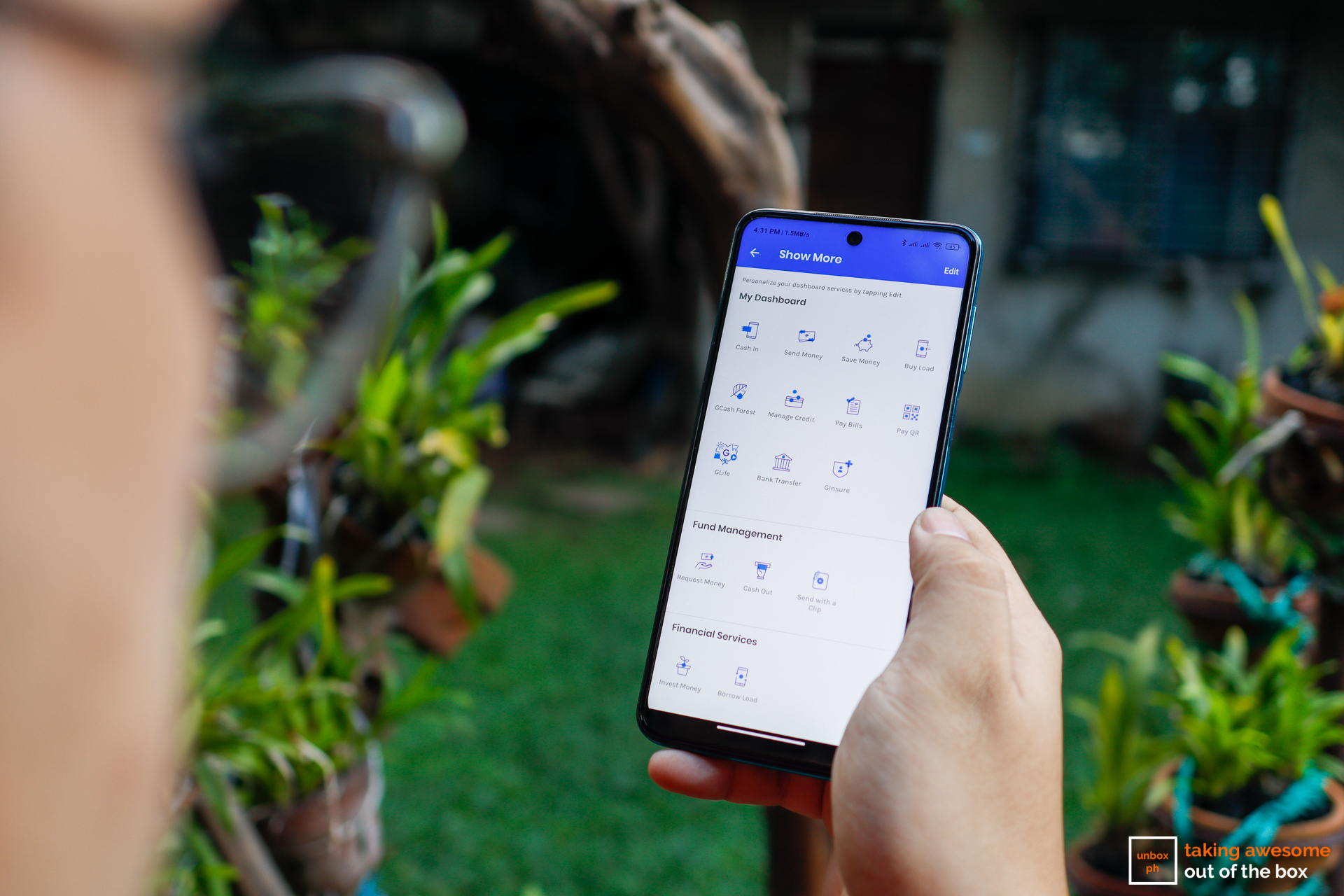
- GCash remains the primary way Filipinos pay for their online transactions with a 38% market share, as Cash-on-Delivery (COD) drops to 11%.
- Shopee continues to lead ecommerce platforms with a 42% market share, but TikTok Shop is the one to watch with a 15% market share.
With the ecommerce market in the Philippines reaching Php 2.1 trillion in 2026, the country marked an 18% year growth–with around 67.2 million active online shoppers and cross-border sales amounting to Php 315 billion. Cloud Ecommerce noted in its report that for payment methods, GCash is the most dominant with 38% market share. Maya is a far second at 16% market share, while ShopeePay is at third with 10% market share.
GCash’s dominance in the ecommerce space does not come as a surprise ever since the rise of cashless payments during the COVID pandemic has Filipinos depending on GCash often for their transactions. Outside of those three payment methods, transactions made using credit and debit cards account for 25% of payments, while cash-on-delivery (CoD) is at 11%. CoD may be declining, but there’s still some Filipinos–especially those in rural areas and senior citizens–still prefer it as their mode of payment.

As for the leading ecommerce platforms in the Philippines, Shopee remains to be the leader with a dominanty 42% market share, followed by Lazada at 28% and TikTok Shop at 15%. Traditional retailers like SM also established their own online presence with their online store having 8% of the ecommerce market share.
Despite ecommerce thriving in the Philippines, there are some challenges: one of the being the quality of internet connection especially in rural areas, and the fact that 35% of rural Filipinos are unbanked or underbanked, having limited access to credit scoring and various payment methods. Even with those challenges, Cloud Ecommerce is confident that the Philippine ecommerce market can reach Php 3.2 trillion by 2028.