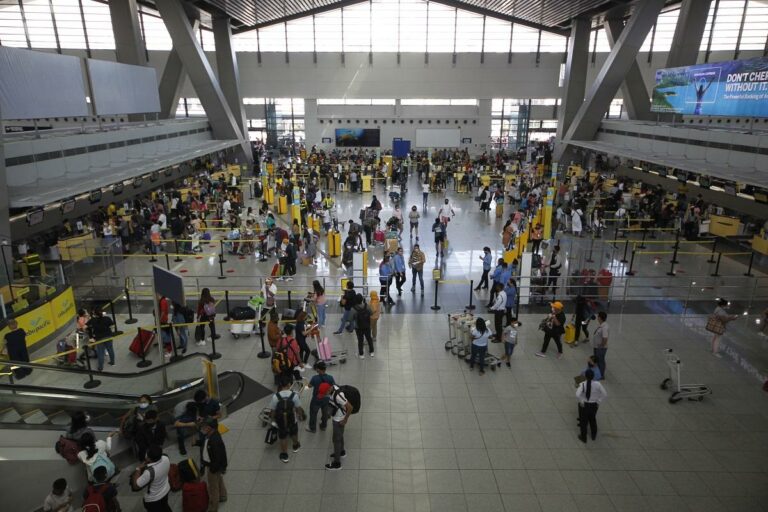
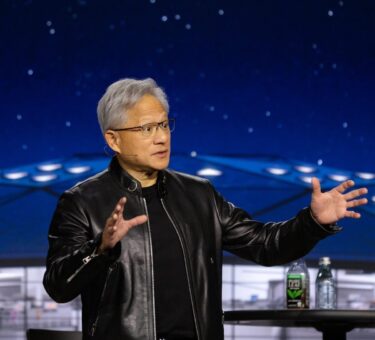
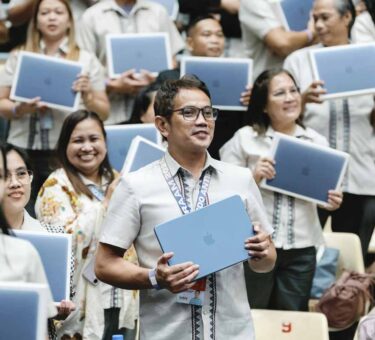
Artificial intelligence is rapidly reshaping the Philippine workplace – from generative writing tools to automated backend workflows, AI adoption is accelerating at a staggering rate. According to the Philippine AI Report 2025, over 92 percent of surveyed local organizations have already integrated AI into their daily operations, with 54 percent using generative AI tools for more than a year. However, as local industries race to adopt these new technologies, a critical question remains: who is ensuring that automation does not come at the expense of Filipino workers?
To address this gap, Akbayan Party-list Representative Chel Diokno, alongside fellow Akbayan Representatives Perci Cendaña and Dadah Ismula, as well as Dinagat Islands Representative Kaka Bag-ao, has renewed efforts in the House of Representatives by filing House Bill No. 10362, officially known as the AI Governance Act. The proposed legislation seeks to establish the country’s first comprehensive legal framework to regulate artificial intelligence, balancing tech-driven innovation with labor rights, privacy, and public welfare.
Diokno emphasized that while existing statutes—such as the Data Privacy Act of 2012, the Cybercrime Prevention Act of 2012, and the Philippine Innovation Act—touch on specific technological issues, the Philippines currently lacks a unified national blueprint. There is currently no complete framework that safeguards against harmful AI systems, protects workers from automated displacement, guarantees transparency in algorithmic decisions, or sets clear institutional accountability standards.
A central priority of HB 10362 is cushioning the potential economic shock on the local workforce. To prevent sudden mass layoffs driven by automated systems, the bill mandates that employers deploying high-impact AI must provide affected employees and their representatives with at least six months of advance notice before full implementation. This notification must clearly outline the purpose and scope of the AI system, specify which business processes or job functions will be impacted, and detail the expected changes to work assignments.
Furthermore, the bill prohibits companies from relying solely on AI outputs to evaluate employee performance, issue discipline, or terminate contracts without meaningful human review. Employers are also barred from using AI to bypass existing labor standards, particularly regarding security of tenure, minimum wage requirements, standard employee benefits, and the right to self-organization. To support affected personnel, the bill calls for comprehensive social protection, labor market transition support, workforce redeployment, and structured reskilling and upskilling programs.
Beyond labor protections, the AI Governance Act introduces an Artificial Intelligence Bill of Rights for all Filipinos. This component guarantees transparency whenever high-impact automated systems interact with the public, protects individual data privacy—including the explicit right to be forgotten—and establishes strict safeguards against biased or discriminatory AI decisions.
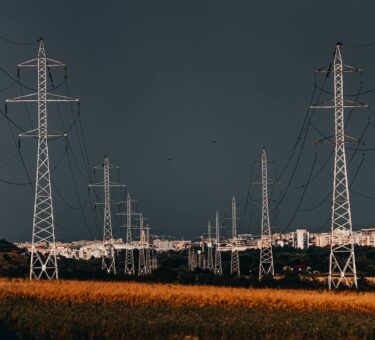
The legislation also addresses the growing environmental footprint of digital infrastructure. Under the proposal, data center and AI facility operators must comply with environmental assessment and Environmental Compliance Certificate requirements, consult with local communities, and publicly report their annual energy and water consumption. These facilities must adhere to infrastructure and sustainability standards jointly established by the Department of Information and Communications Technology, the Department of Environment and Natural Resources, and the Department of Energy.
To oversee these policies, the bill creates an Artificial Intelligence Multi-Stakeholder Advisory Council. Composed of representatives from government agencies, academia, labor organizations, civil society, media, youth groups, and the tech sector, the council will help shape national AI policies moving forward.
Finally, the bill introduces tough legal consequences for violations. Unlawful use of AI carries prison sentences ranging from six months to six years depending on the severity of the offense, while public officials involved in non-compliance risk permanent disqualification from holding public office. As Diokno noted, innovation and regulation must move together hand in hand if the Philippines hopes to harness the vast potential of AI while preserving the dignity and livelihood of its people.