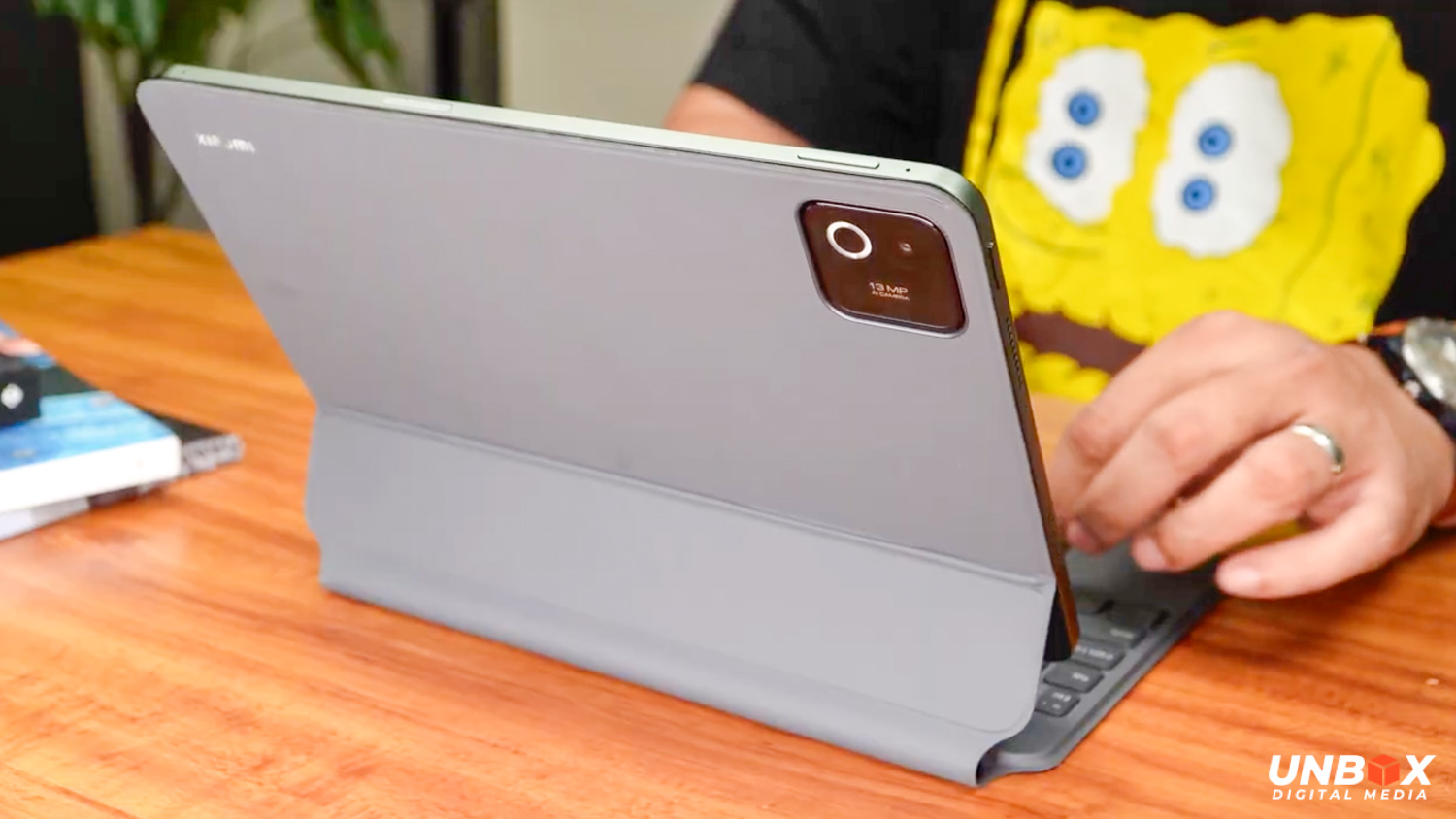
Review Verdict: Beyond the processor upgrade, the Xiaomi Pad 8 has everything it takes to be one of the best midrange Android tablets in the market.
Pros
- Tablet-optimized HyperOS UI
- Significant processor upgrade with the Snapdragon 8s Gen 4
Cons
- Only available with 256GB storage
- Charger not included in the box
It’s hard to find a better midrange Android tablet than the Xiaomi Pad 8. It’s light, powerful, and boasts a premium design. Despite a slight price bump, it remains the best tablet to buy if you don’t already own an Android slate. I’ve been using this device as my daily driver for a week, and it has practically replaced my bulkier laptop most of the time. While Xiaomi released this tablet in China a few months ago, it is only now seeing a global launch.
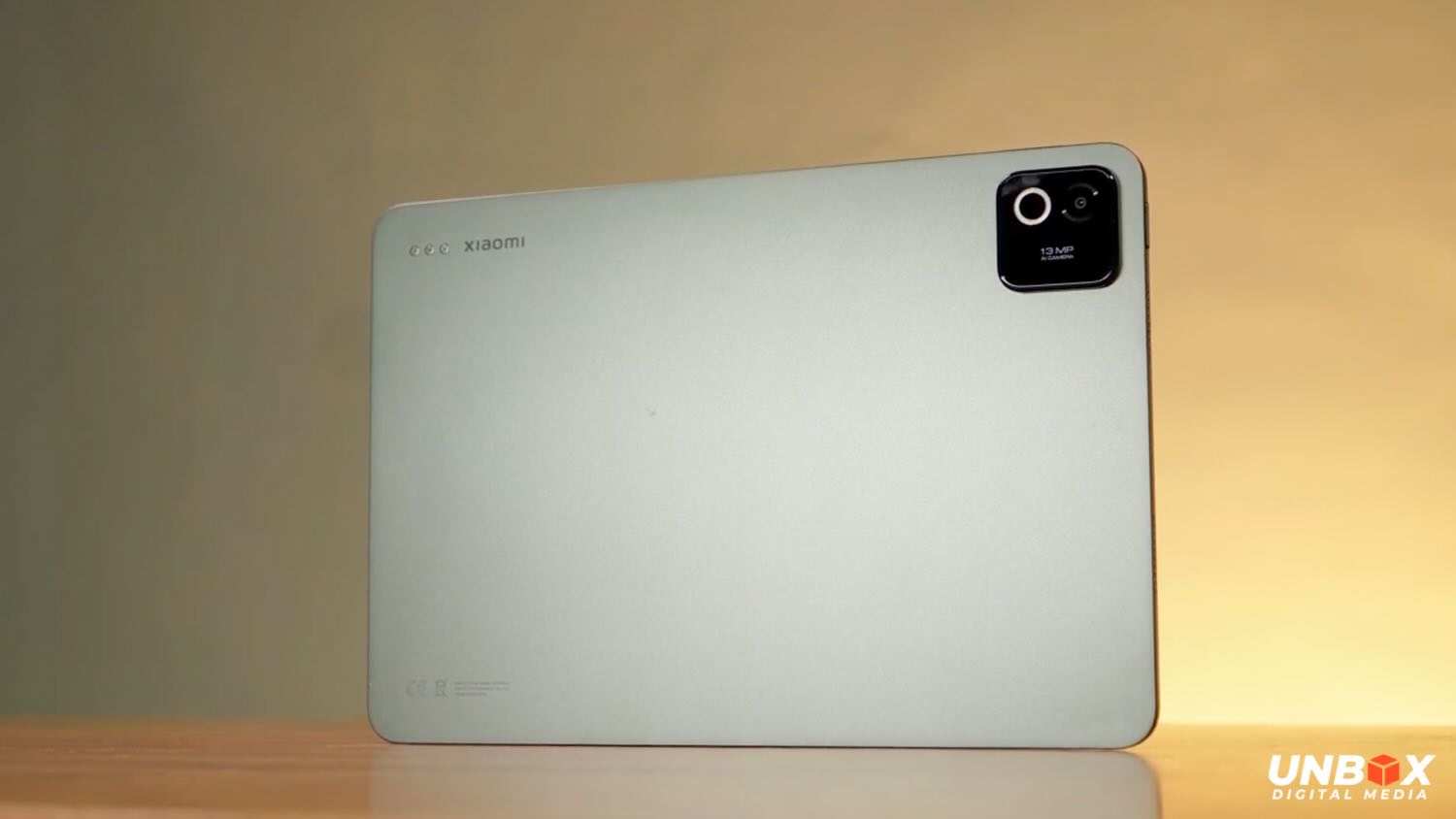
Xiaomi Pad 8 Review: Design
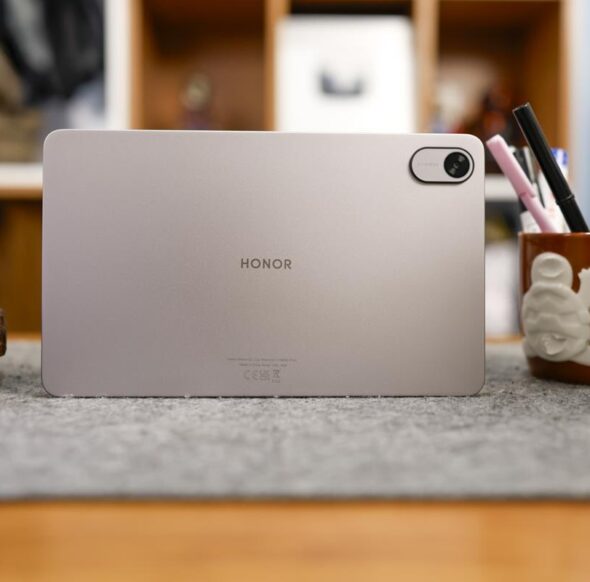
Xiaomi isn’t playing around when it comes to build quality. It has all-aluminum unibody design, it feels incredibly premium—no flex, no creaks. It’s also surprisingly light for its size, weighing in at roughly half a kilogram, and is relatively thin at just 5.75mm.
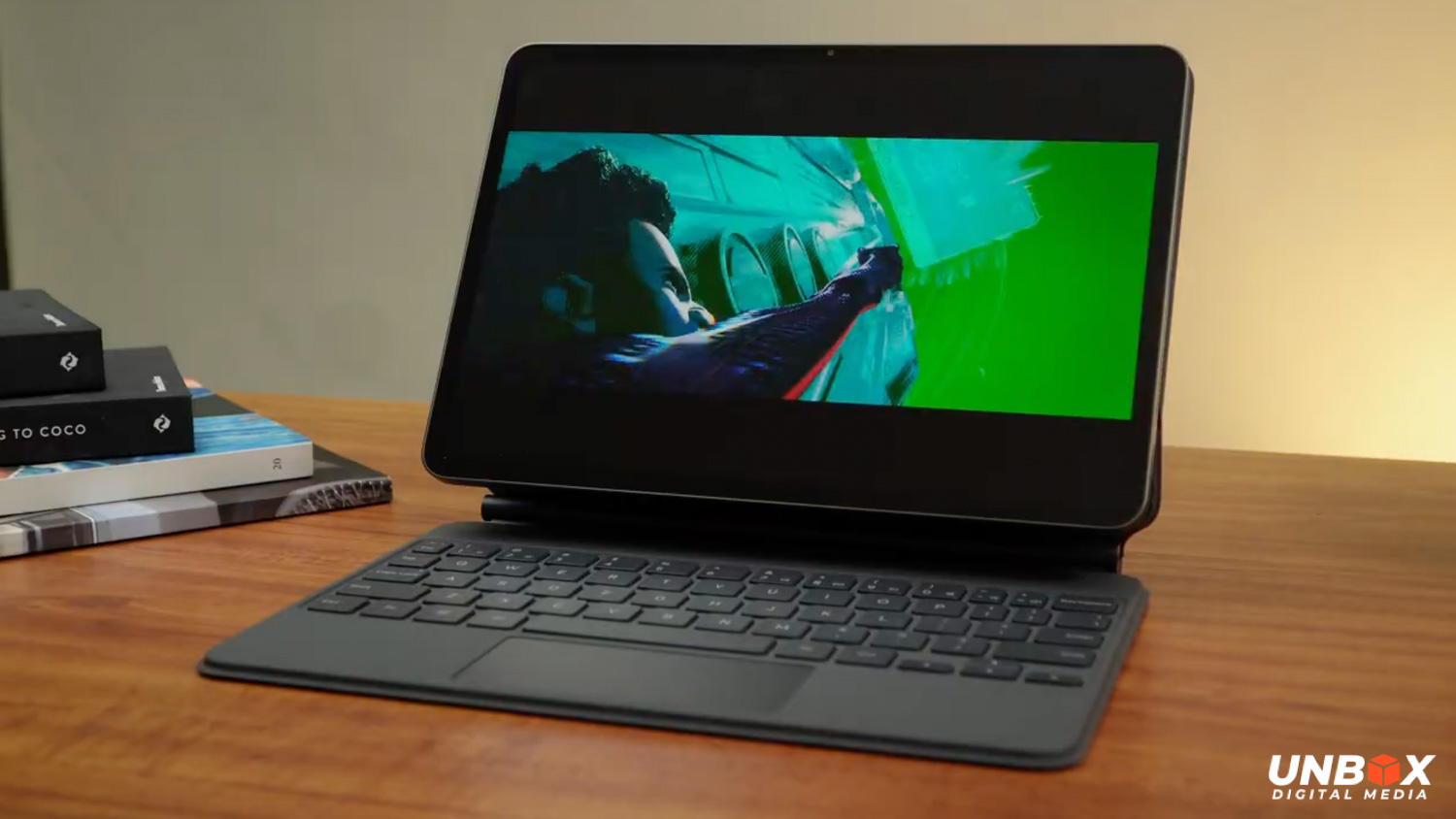
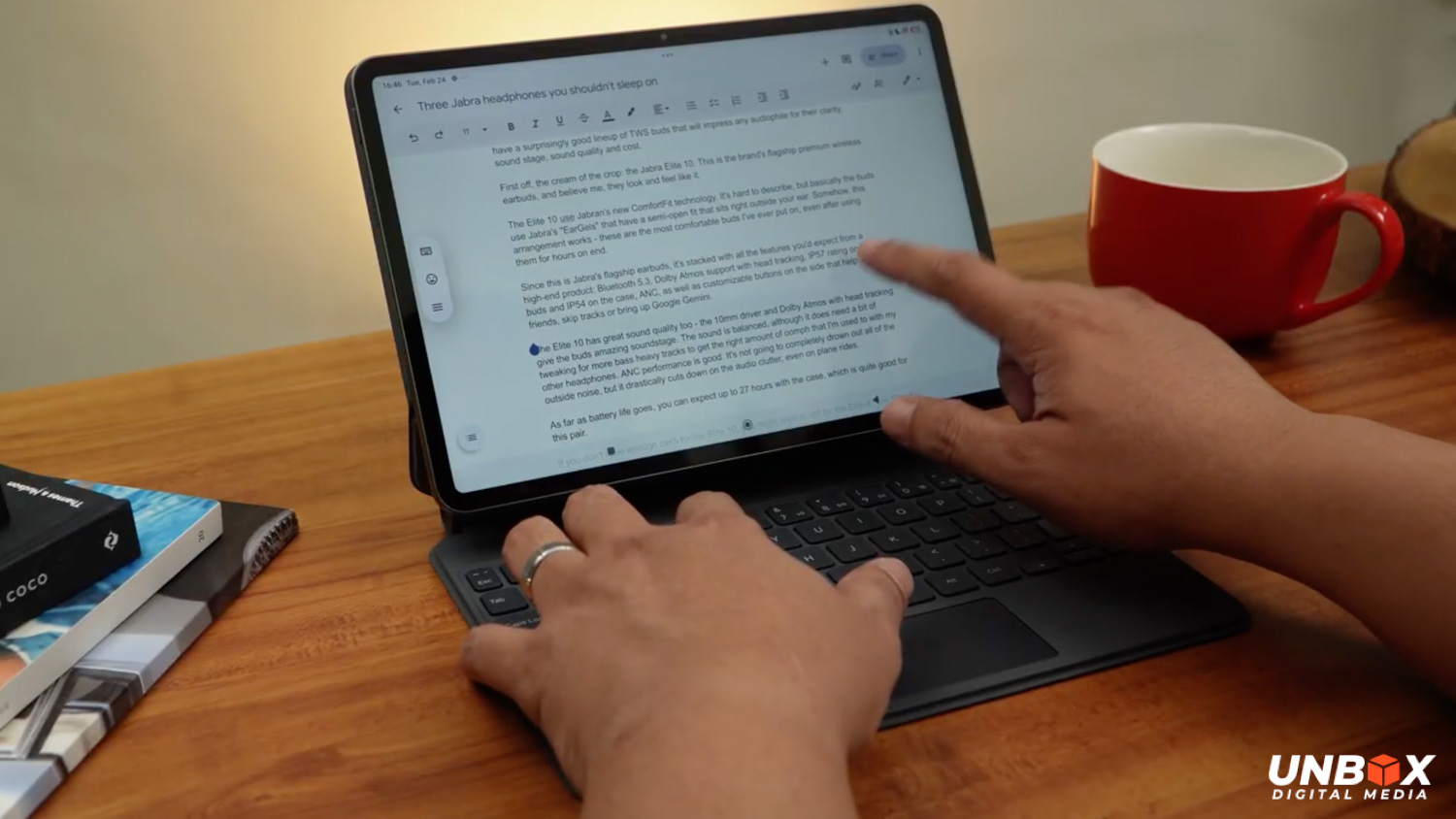
The design remains consistent with its predecessor, utilizing the same magnetic pins found on the Pad 7. These pins connect the Pad 8 to various accessories, including an excellent keyboard that doubles as a stand. While traditional folio covers are available, the keyboard is easily the superior accessory for this device.
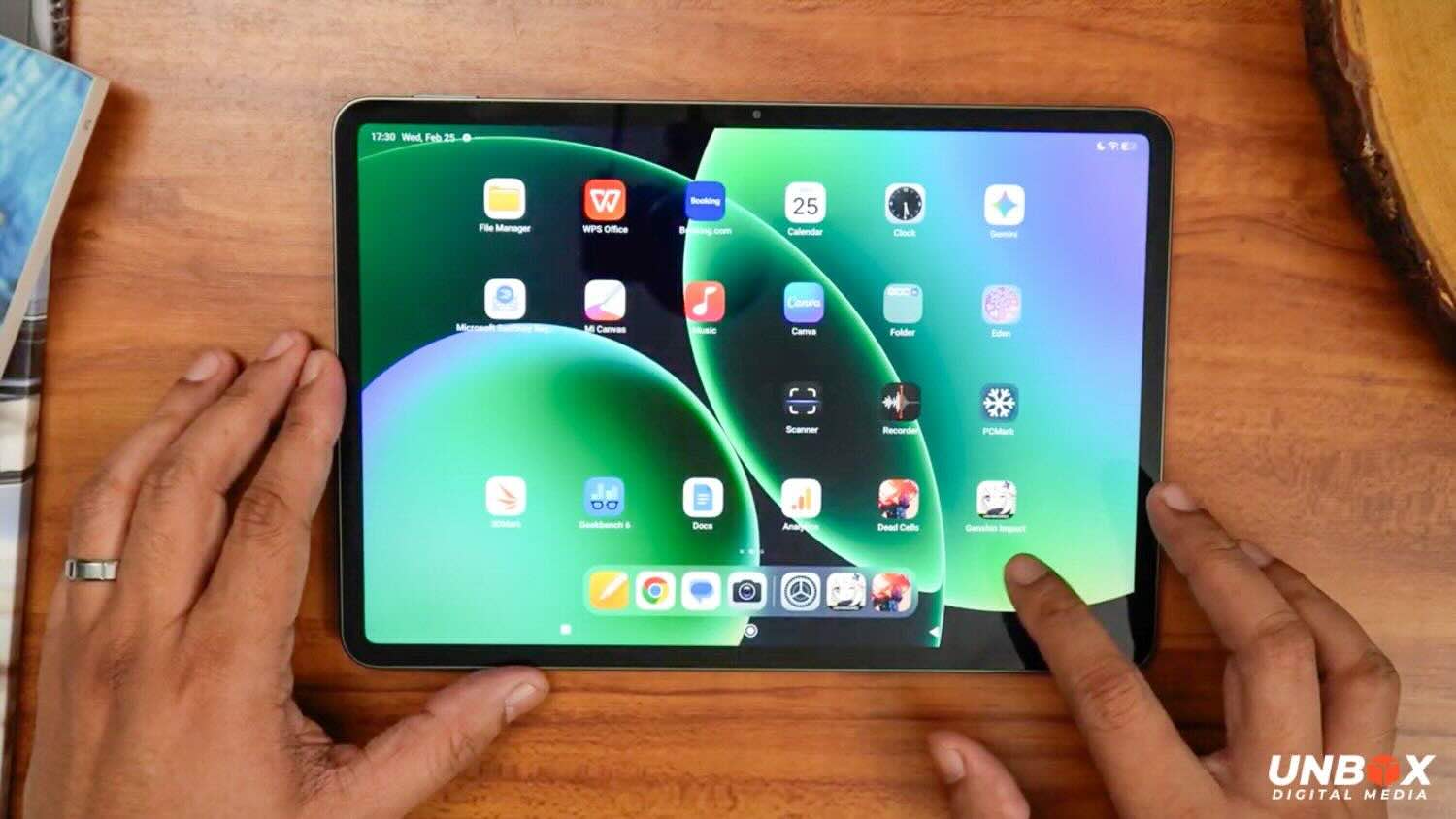
Xiaomi Pad 8 Review: Display
Xiaomi opted for an 11.2-inch IPS panel for the Pad 8. While an OLED display would have been preferred, it likely would have driven the price much higher. The display features a 144Hz refresh rate, 2136 x 3200 resolution, and a 3:2 aspect ratio, which is perfect for productivity as it offers more vertical screen real estate than a typical 16:9 display.
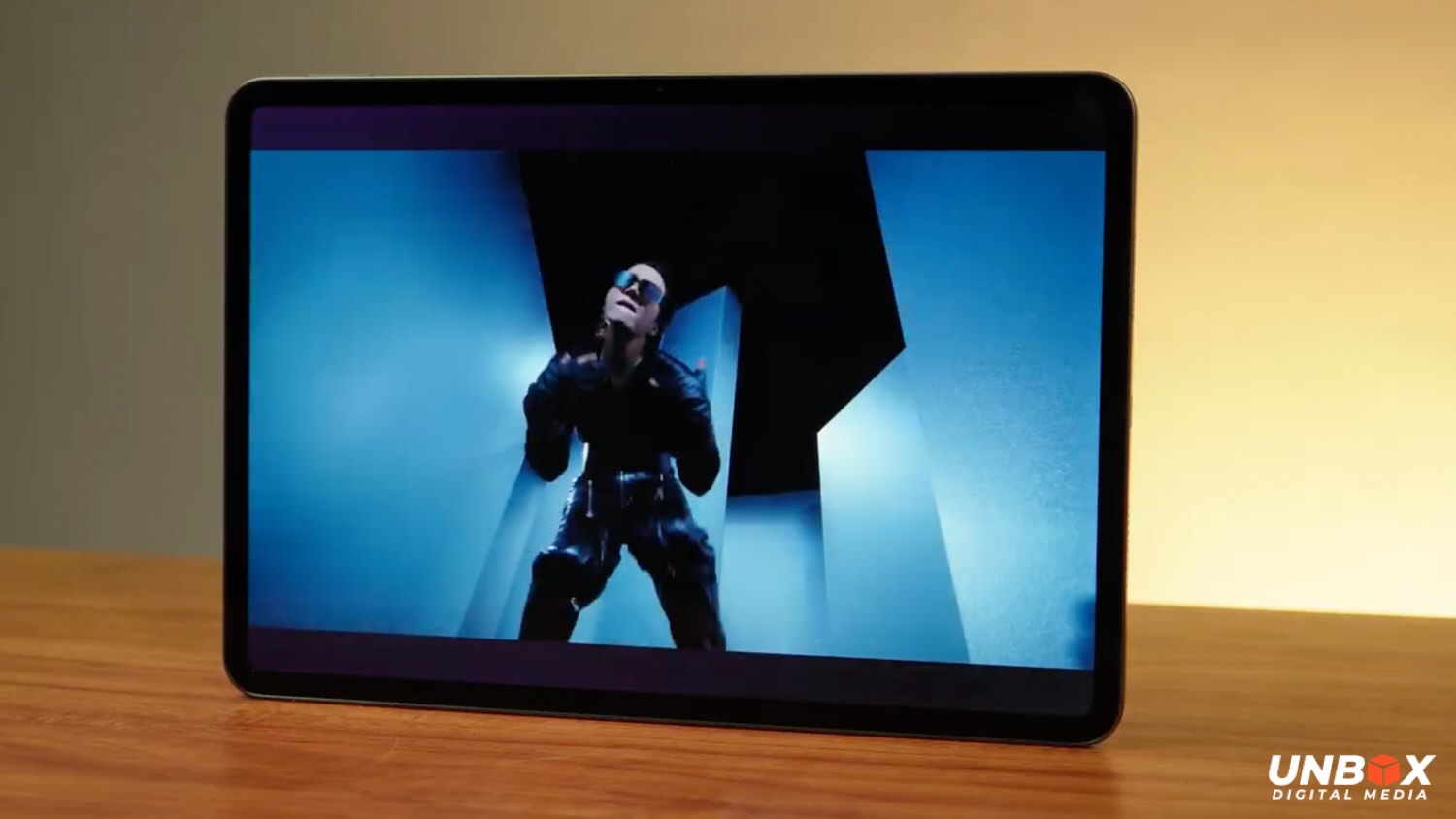
You will see thicker black bars when watching widescreen videos, but it’s a fair trade-off for the extra workspace. The audio experience is equally strong, powered by quad speakers with Dolby Atmos support.
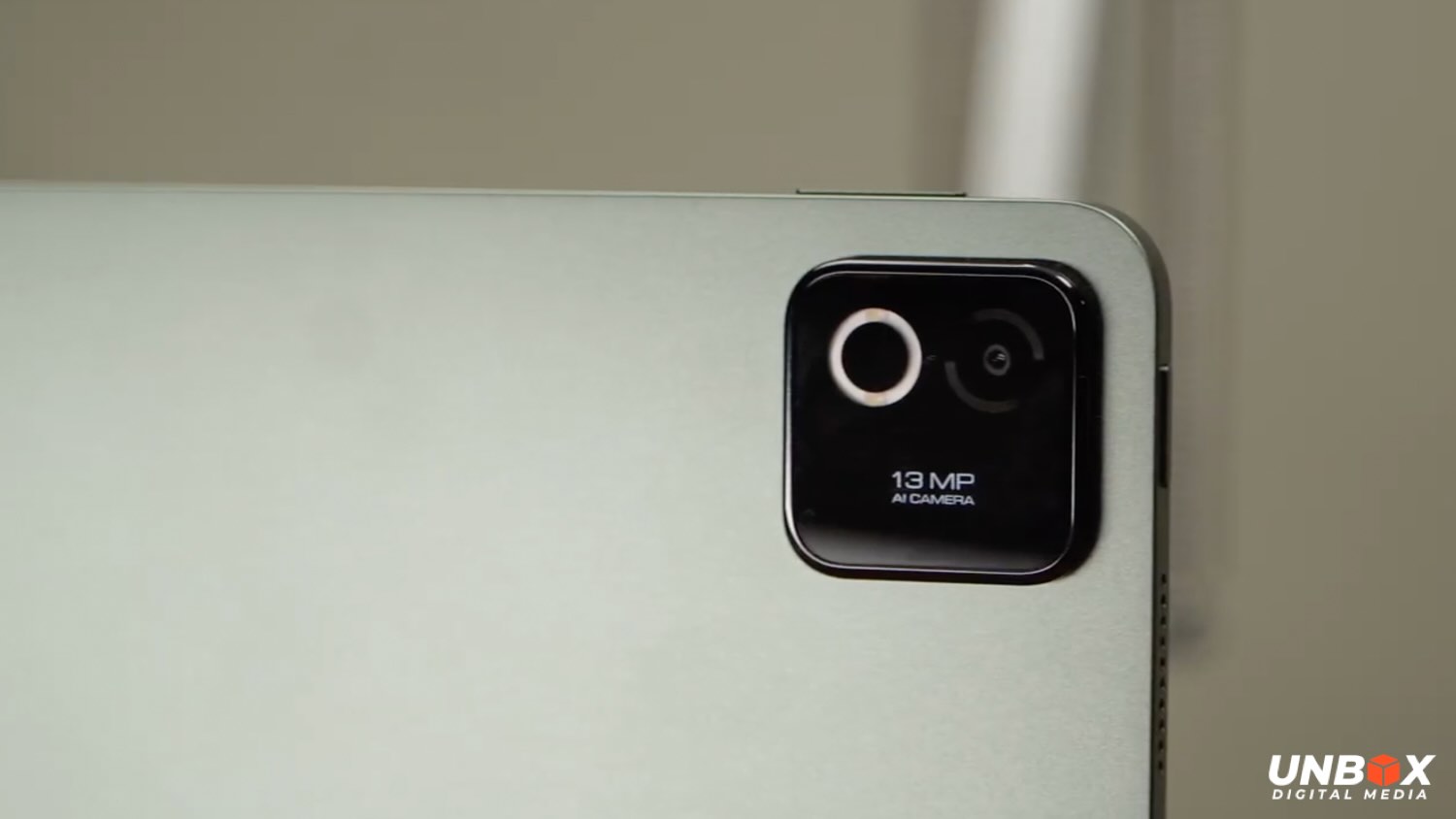
The tablet features a 13-megapixel main camera and an 8-megapixel selfie camera. The front-facing camera is perfectly serviceable for online meetings, while the rear camera is adequate for document scanning and basic photography.
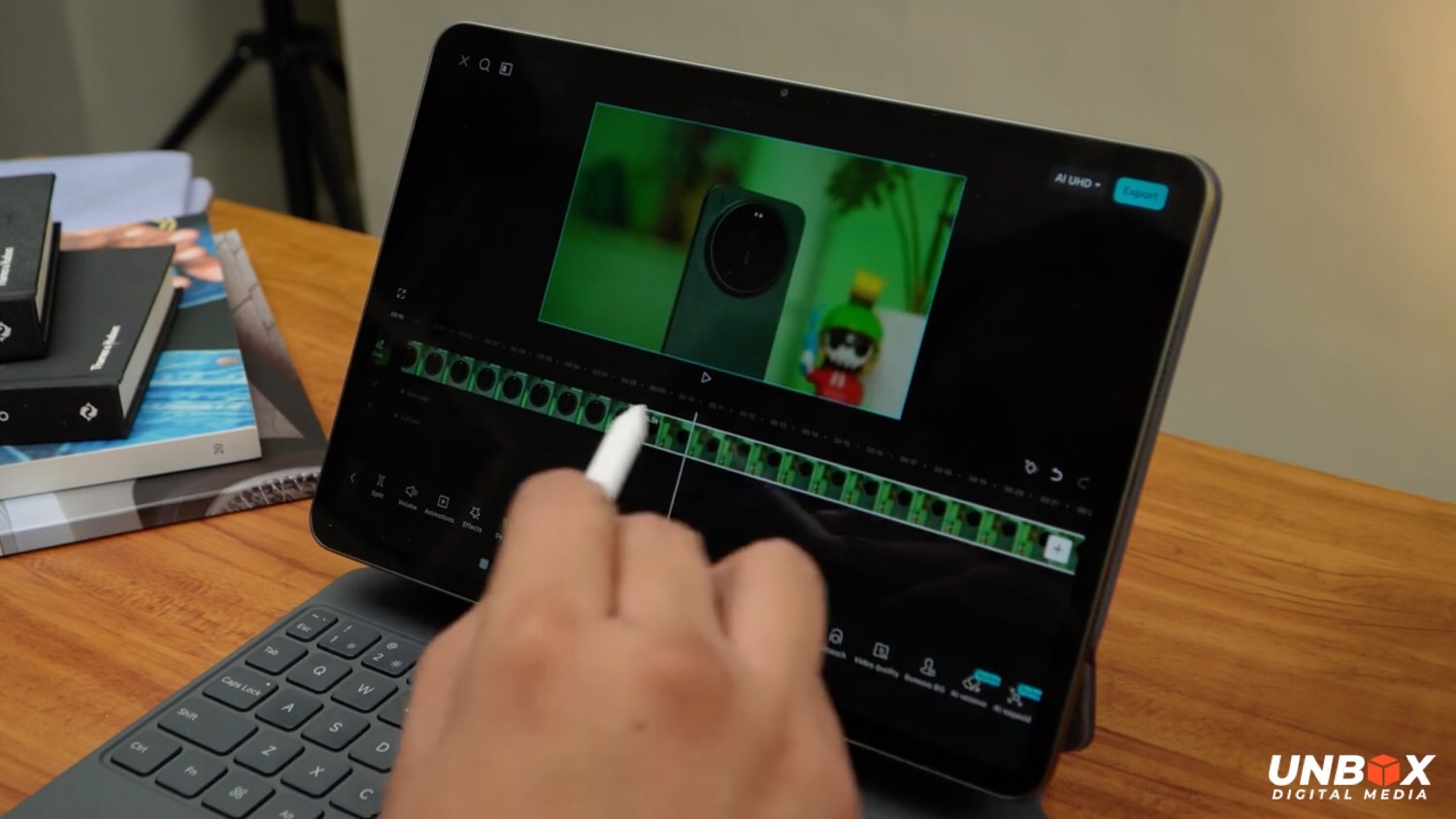
Xiaomi Pad 8 Review: Internals and Battery Life
The biggest upgrade this year is the processor. The Pad 8 now uses a Snapdragon 8s Gen 4 chip—excellent news for users who need a device for both work and play. It runs demanding titles like Genshin Impact on high settings without breaking a sweat.
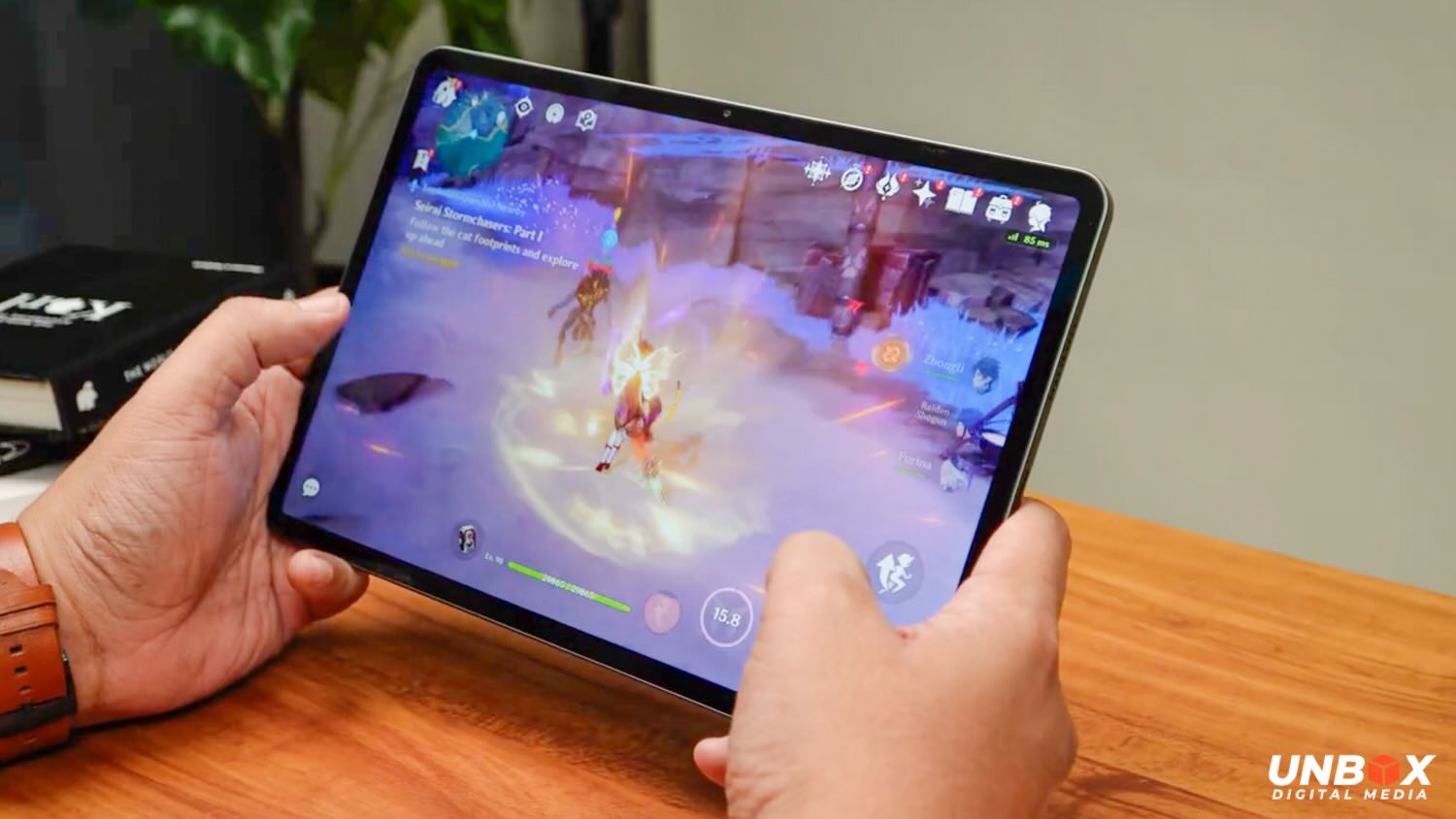
The unit comes with 12GB RAM and 256GB storage. While a 512GB option would have been ideal, given the current state of the DRAM market, that’s likely wishful thinking. On the plus side, the thermals are impressive; the tablet never felt hot, even during extended gaming sessions. Great job on that, Xiaomi.
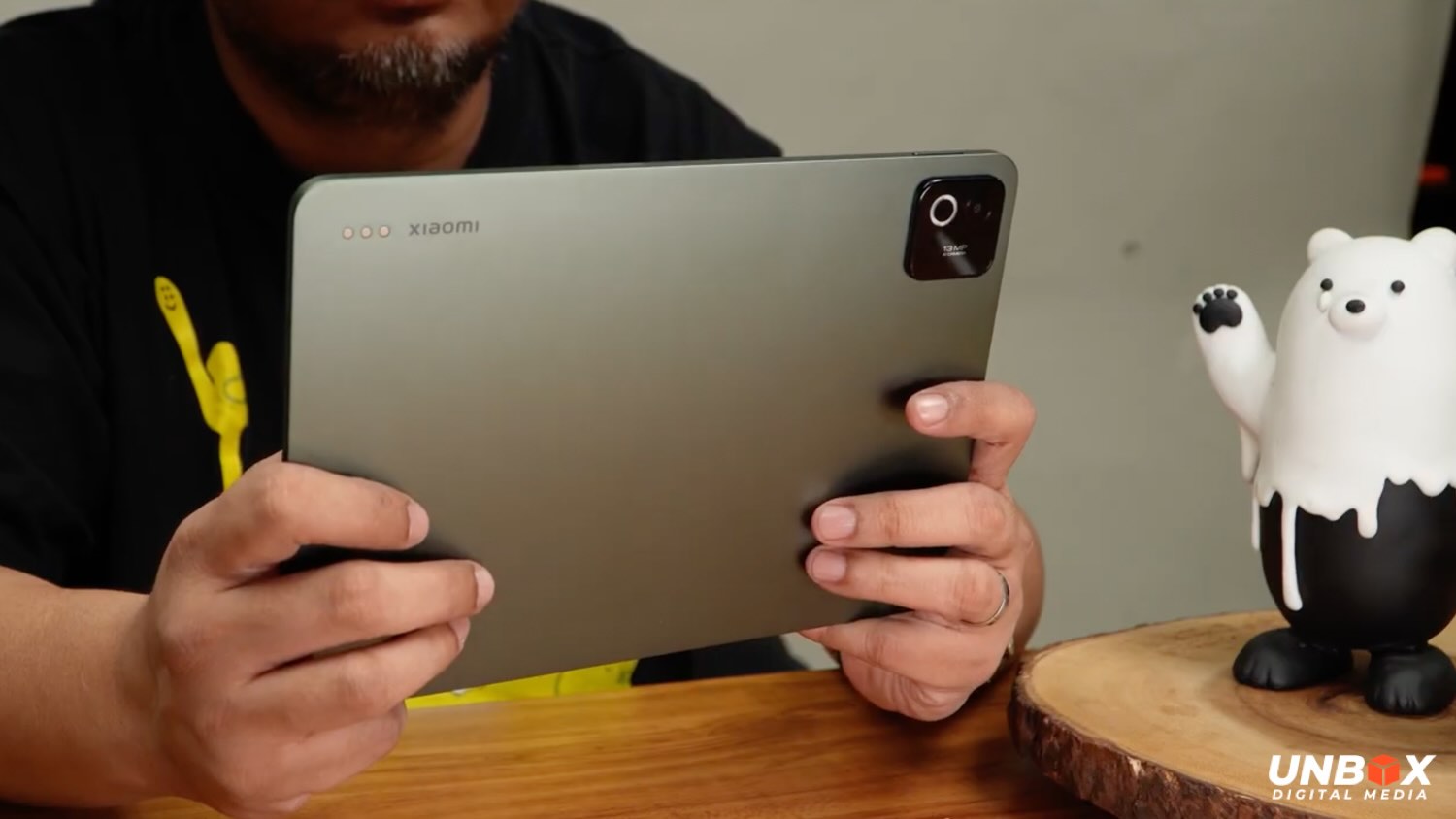
Powering the device is a 9200mAh battery with 45W fast charging. While our PCMark Battery benchmark kept crashing on this unit, my real-world usage was impressive. I managed to get through three days of battery life with 3–4 hours of intense daily use, including light gaming, video editing for Shorts, and watching YouTube videos.
One major annoyance, though, is the fact that Xiaomi did not include a charging brick in the box for the global version. You’ll need to source your own, which is a definite bummer.
Xiaomi Pad 8 Review: Software
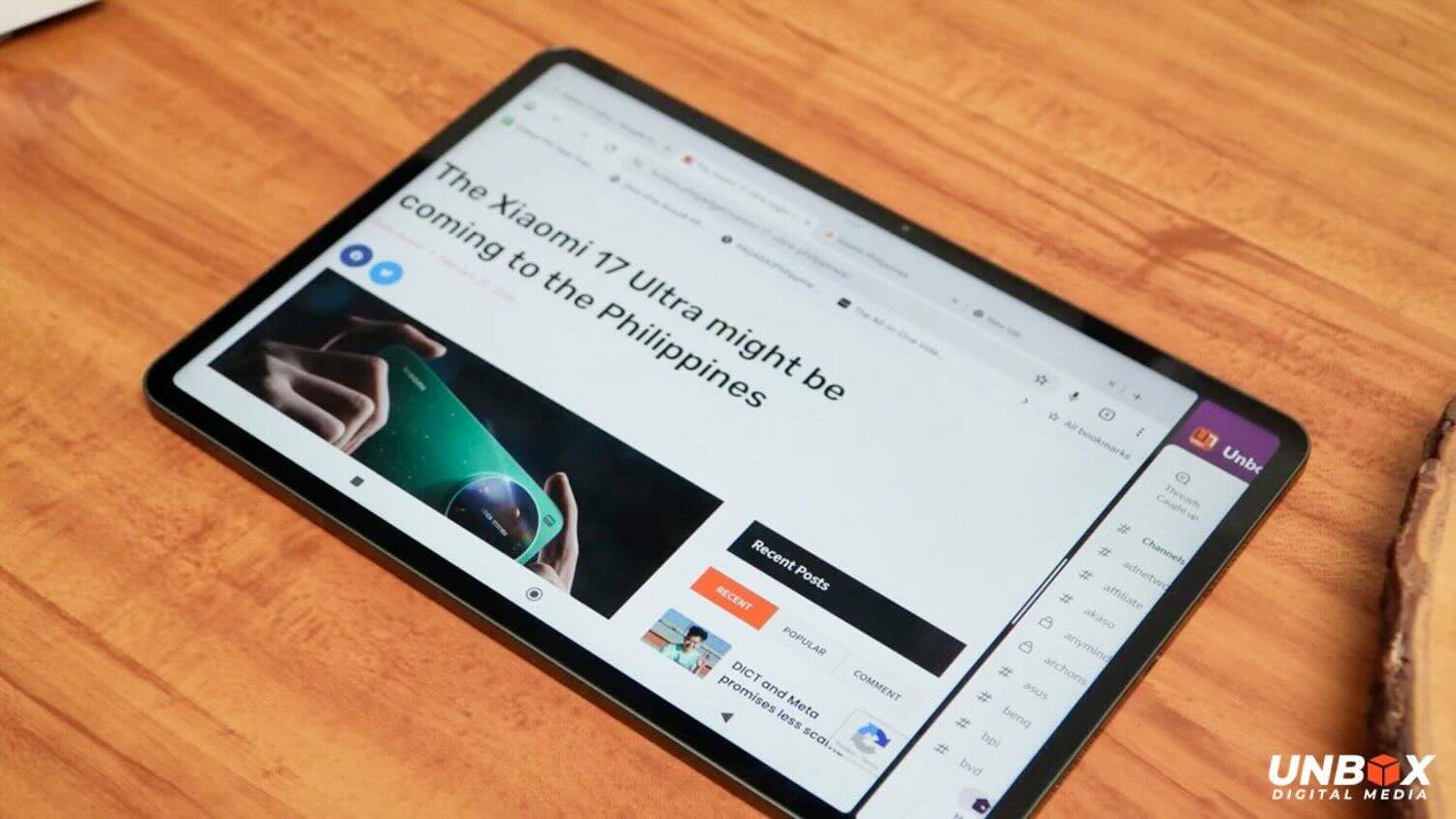
On the software side, you get HyperOS 3.0 based on Android 16. The version of HyperOS on this tablet is impressively clean, with minimal bloatware, making navigation smooth and intuitive. Multitasking is a breeze thanks to the floating windows feature.
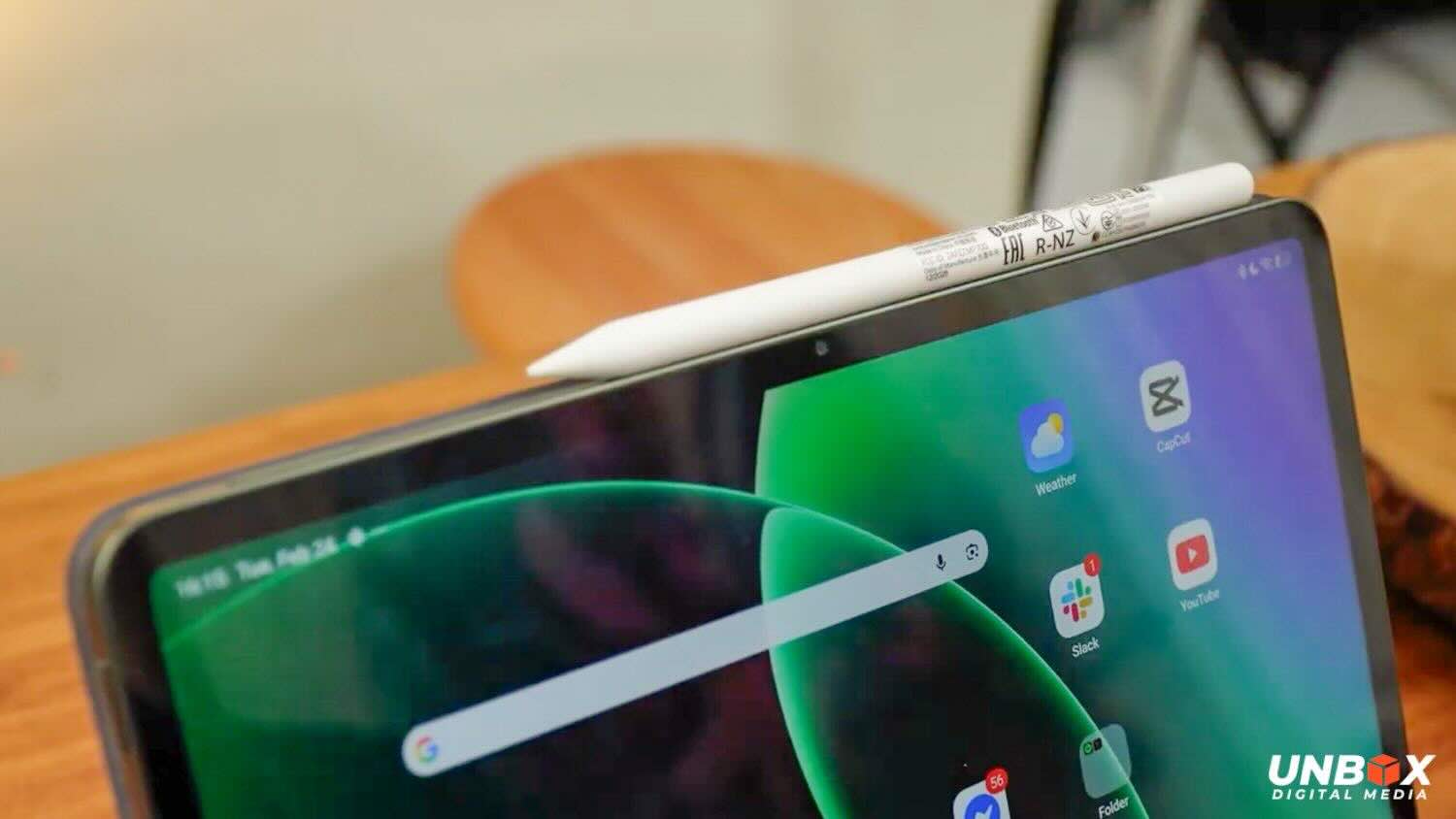
If you’re considering this tablet, I highly suggest picking up the Xiaomi Focus Pen Pro. It has moved away from physical buttons in favor of pressure-sensitive zones that respond to pinches and double-taps. You don’t need to be an artist to find this tool useful for work, but if you are, you’ll certainly appreciate the refined pressure sensitivity for drawing and writing.
Xiaomi Pad 8 Review: Wrap-up and Conclusions
If you want a tablet that punches way above its weight class in terms of display, build, and raw performance, the Xiaomi Pad 8 ia a good recommendation. It’s the perfect middle ground for someone who wants a premium experience without spending iPad Pro money.
While we don’t have the final official global pricing yet, we will pin it in the comments once it’s released. For context, the Chinese version launched at around Php 25,000, though that was before the current component shortages impacted the market.