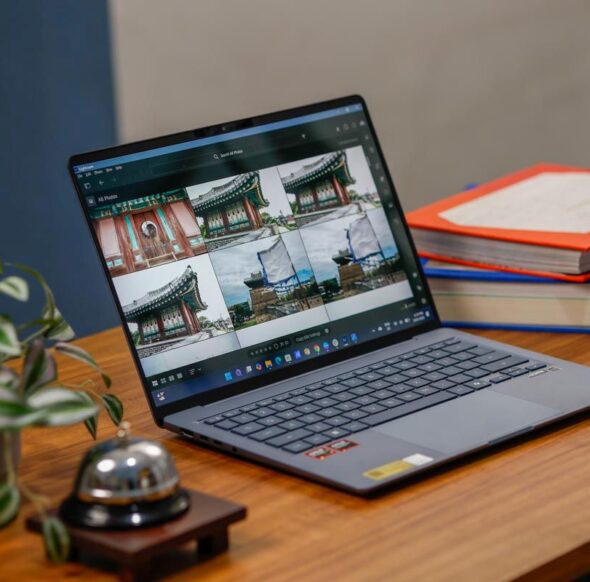
Review verdict: ASUS has finally made a laptop that can handle the requirements of both gamers and power users without the bulk, although the added GoPro element might not be worth the price premium
Pros
- Fairly light considering the hardware and capabilities
- Color-accurate screen
- Can take drops and is MIL-STD 810H certified
- It can run AAA games fairly well without the usual laptop bulk
Cons
- The screen is only 60Hz
- Price premium for GoPro branding isn’t worth it for everyone

As a gamer and creative at heart, I’ve always been forced to choose between lugging around a 13-inch ultraportable that was easy to carry but struggled with 4K renders, or a 16-inch beast that had the GPU power but wrecked my back just carrying it around everywhere. With the ProArt PX13 GoPro Edition, ASUS is trying to give you both. This laptop has AMD’s massive “Strix Halo” APU architecture, resulting in a machine that’s small enough to fit in a backpack but powerful enough to make some gaming desktops sweat.
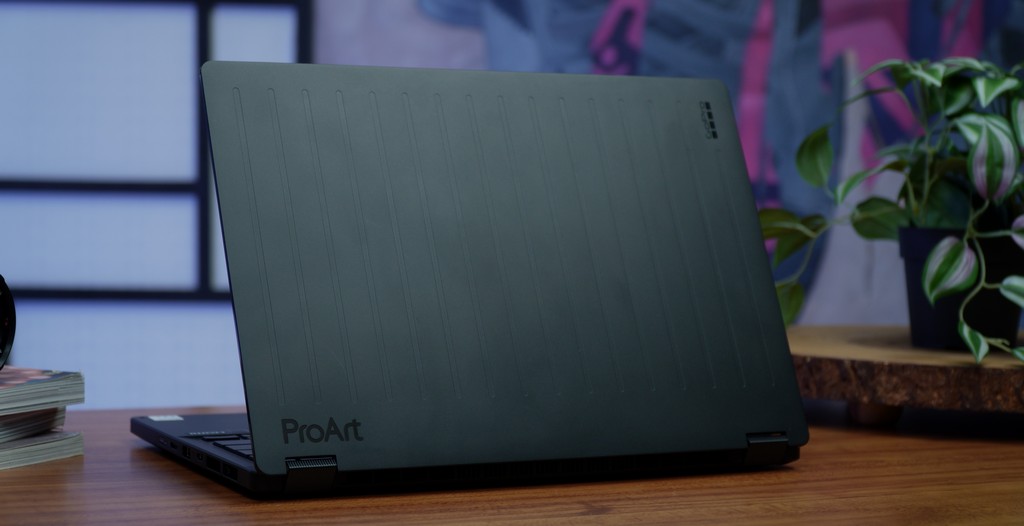
ASUS ProArt PX13 GoPro Edition review: design
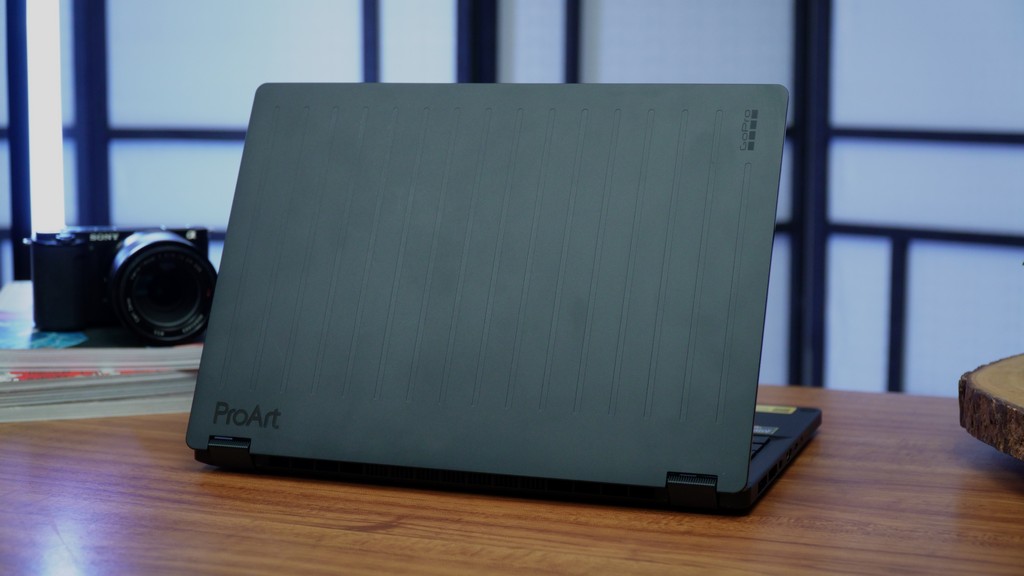
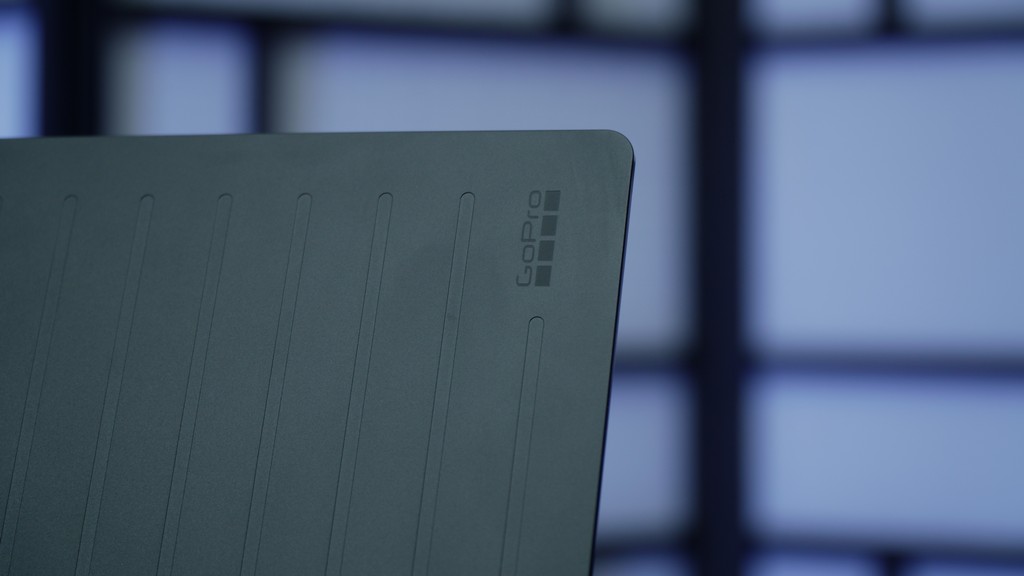
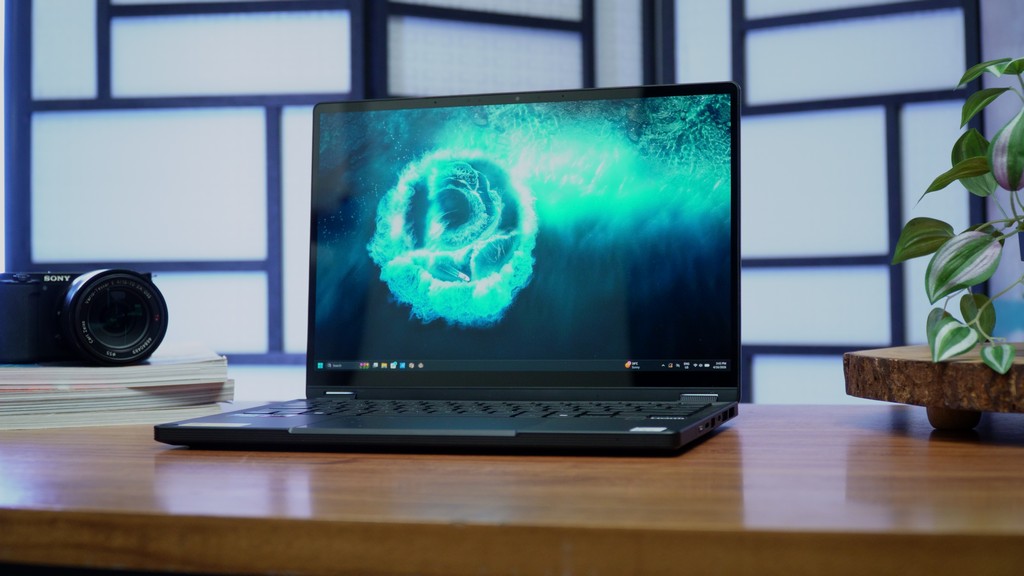
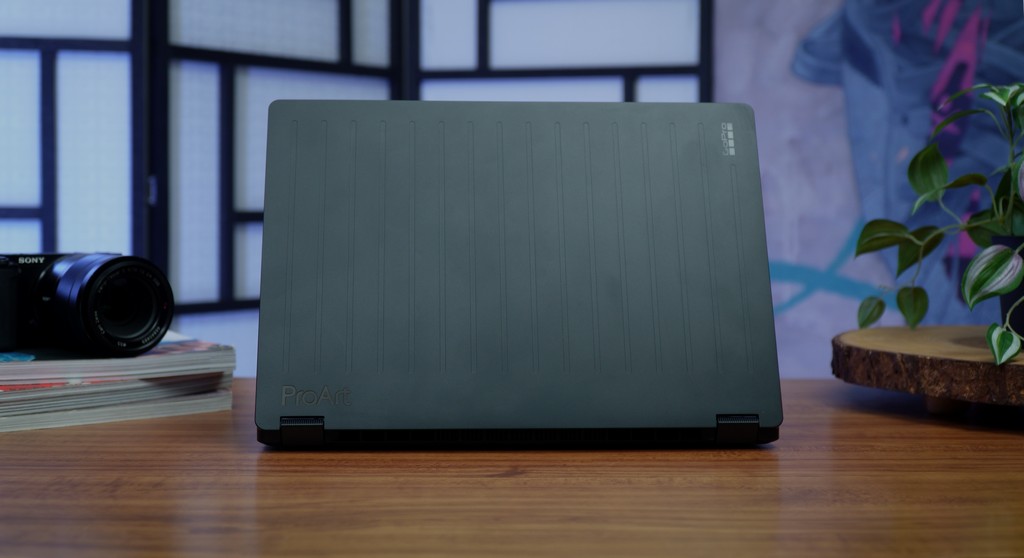
As the name suggests, this particular flavor of ASUS’ ProArt laptop is a collaboration between the brand and American company GoPro, made famous by its action cameras. The lid sports a ribbed, metal exterior, along with GoPro’s branding in several areas.
The laptop weighs 3.06 pounds or around 1.3 kilos, which makes it relatively light considering what’s in it (more on this later). It also sports MIL-STD 810H military-grade durability, so it can handle hot and humid conditions while surviving 500Hz vibrations and multiple four-inch drops while running. ASUS also includes a nifty padded sleeve with a braided pouch to keep it secure when travelling.
The laptop is a 360-degree convertible and also ships with an ASUS Pen and a charger. There’s no way to attach the pen to the laptop, so you’ll have to make sure it’s in your bag when you intend to use it, which is a little annoying, especially if you’re like us and a little forgetful at times.
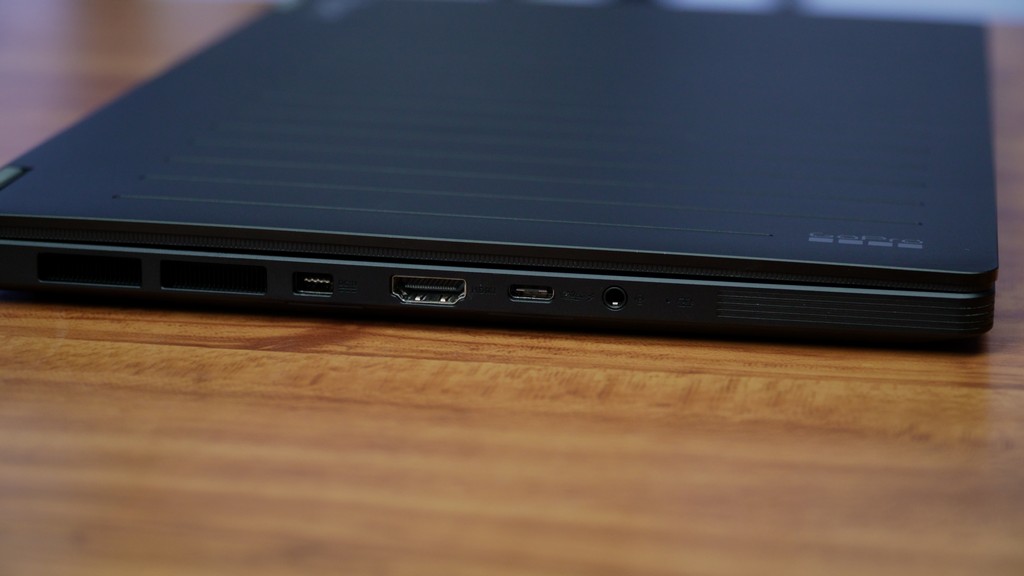
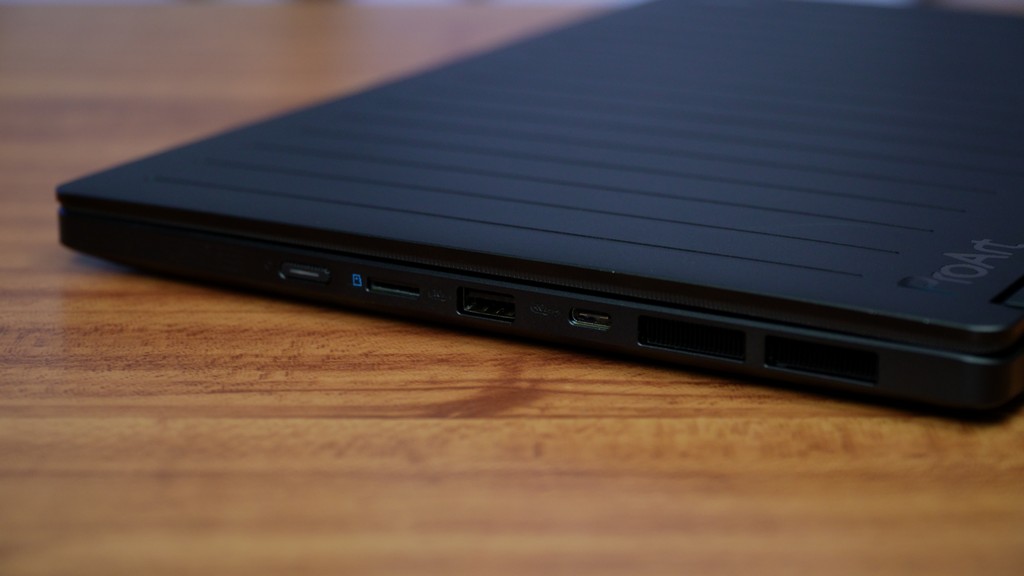
There’s an HDMI, USB-A 3.2, two USB-C 4.0 with power delivery, as well as a 3.5mm jack, and a microSD slot. We would have liked it more if ASUS had gone with an SD card slot instead and then just supplied a microSD adapter, since that would have meant photographers and videographers wouldn’t have to use an external SD card reader to load their footage into the laptop.
ASUS ProArt PX13 GoPro Edition review: display
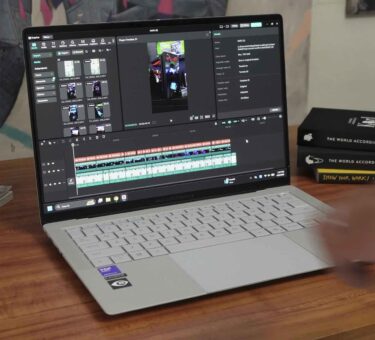
One of the things you’re paying for with the ASUS ProArt PX13 GoPro Edition is the display. It’s a gorgeous 13.3-inch 3K (2880 x 1880) OLED touchscreen that has inky blanks and a contrast ratio that makes HDR content pop. It covers 100% of the DCI-P3 color gamut and is factory-calibrated with a Delta E < 1, which is table stakes for serious color grading.
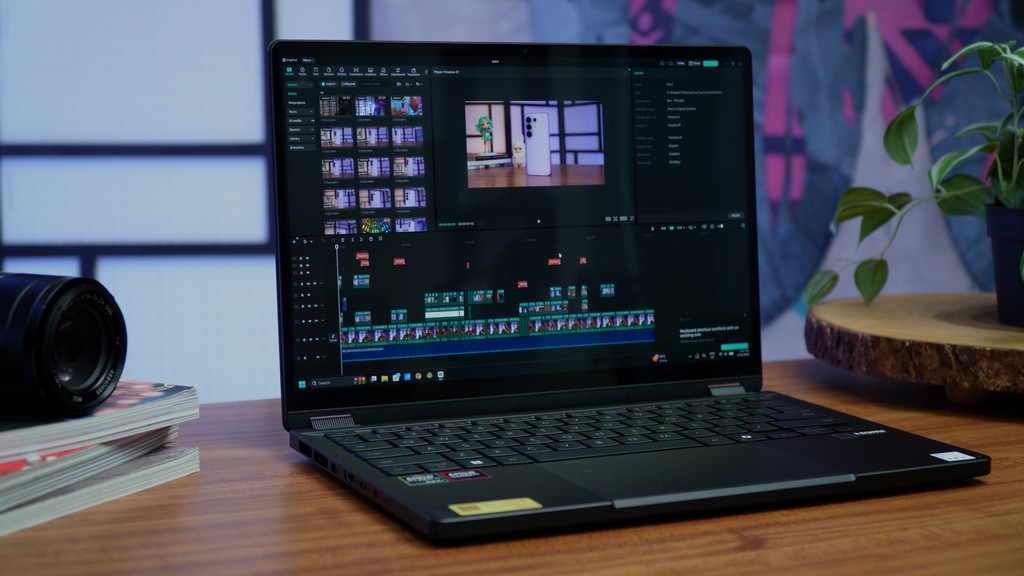
The biggest caveat here is that the display is pegged at 60Hz, which is disappointing. In an era where even budget smartphones are hitting 120Hz, the lack of a high-refresh panel feels like a missed opportunity. It won’t affect your video editing, but it gimps the laptop’s gaming capabilities a tad.
ASUS ProArt PX13 GoPro Edition review: keyboard and trackpad
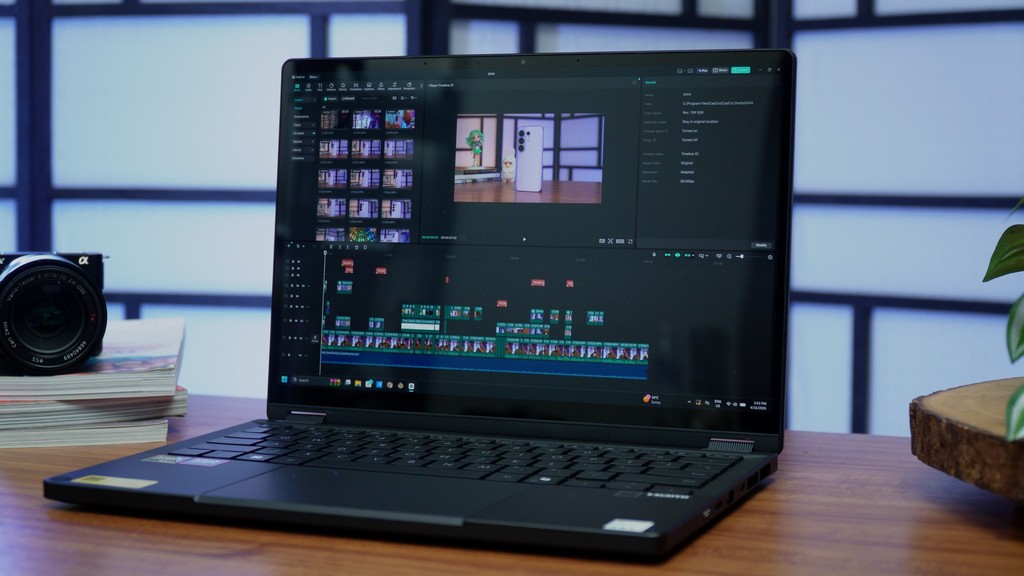
In typical ASUS fashion, the ProArt PX13 GoPro Edition’s keyboard is excellent, with plenty of travel making it great for either gaming or typing.
The real star here is the ASUS DialPad—a virtual rotary controller integrated into the touchpad. If you’re a power user of Adobe Premiere or Lightroom, this is a legitimate game-changer for scrubbing timelines or adjusting brush sizes without hunting for keyboard shortcuts. Unfortunately, it doesn’t support all video editing software as of yet (CapCut being one of the omissions), which I hope the company will rectify in a future update.
There’s also a dedicated GoPro button in one of the function buttons on the top, which launches the GoPro Player in the laptop for you. The laptop can also natively handle 360 footage captured by GoPro cameras, although if you’re not invested in the ecosystem, that might not be of value to you.
ASUS ProArt PX13 GoPro Edition review: Processor and hardware
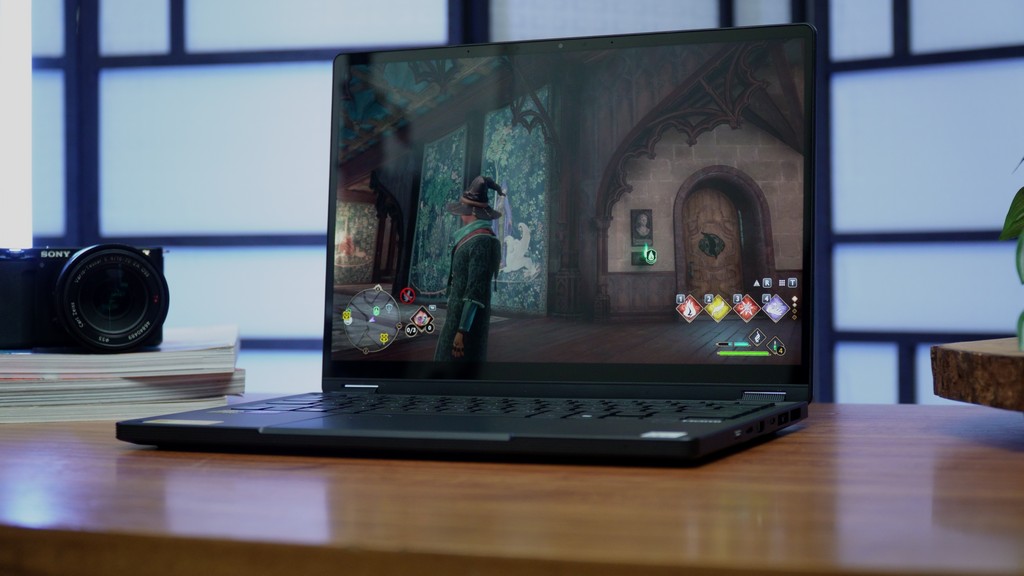
The ASUS ProArt PX13 GoPro Edition comes with AMD’s Ryzen AI Max+ 395, along with a Radeon 8060S GPU that the company says is roughly equivalent to an NVIDIA RTX 4060. Aside from that, it also comes with a staggering 128GB of unified LPDDR5X RAM that’s soldered on to the motherboard. 1TB of NVMe storage tops the hardware package.
This isn’t the first time we’ve seen AMD’s Ryzen AI Max+ 395 – it was on the ROG Flow Z13, so we had an idea of its capabilities. In our testing, the “integrated” label feels like a misnomer. This GPU trades blows with mid-range dedicated cards (like the RTX 4060 or 4070 mobile), but without the thermal and space requirements of a separate chip. During heavy 4K video exports, the PX13 remained surprisingly composed. ASUS’s “Ambient Cooling” technology does a decent job of keeping the fans from sounding like a jet engine, though the bottom of the chassis will definitely get toasty during a long render.
With up to 128GB of LPDDR5x-8000 unified memory, multitasking is a breeze. You can have a heavy Premiere project open alongside dozens of Chrome tabs and Discord without the system hitching. And for the AI-curious, the 50 TOPS NPU handles Windows Studio Effects and local AI tasks with ease.
Realistically, though, you’ll do most of your gaming on 1080p, or if you do decide to go one step higher to 1440p, you’ll have to rely a lot more on upscaling tools to get a usable frame rate.
ASUS ProArt PX13 GoPro Edition review: battery life
The laptop packs a 73Wh battery, and you can expect fairly long battery life thanks to its power-efficient processor. We got around 9-10 hours with general productivity tasks; however, that (predictably) dropped when we started editing and gaming on it.
ASUS ProArt PX13 GoPro Edition review: price and wrap-up
The ASUS ProArt PX13 GoPro Edition sounds like the perfect laptop for creators, if it weren’t for one thing: the price. As configured, it has a sticker price of Php 209,995, which is quite steep for a 13-inch laptop like this.
This price likely comes from the high RAM configuration (128GB), which, as you know, is driving up prices for all electronics in 2026.
If you really want this laptop, I’d direct you to the non-GoPro version of this, as it’s almost the same, except for the fact that it has only 32GB of RAM instead of the ridiculous 128GB. It’s still priced quite high at Php 164,995, but at least it’s a little more palatable.