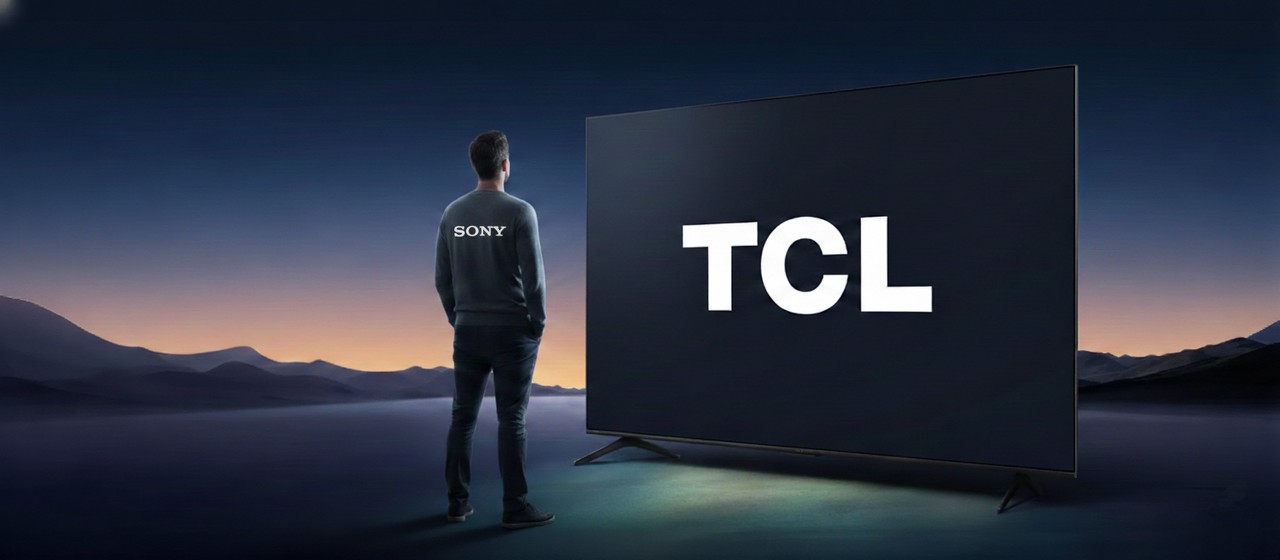
We’re about a month out since Sony announced that it would cede a 51% majority stake of its home entertainment business to global brand TCL. Opinions on Sony’s move have been split between “this is the end of the brand” and “this was something they had to do to survive.” My take on this is simple: this is exactly what legacy brands like Sony need to do to stay relevant. In fact, it is possibly the smartest thing they’ve done in a decade. Let me explain.
For twenty years, the giants of Japan have been fighting a war of attrition they were destined to lose. The era of the “integrated manufacturer”, where one company mines the raw materials, builds the panels, and sells the final box, died when the market shifted from hardware-first to scale-first. Sony’s legendary attention to detail (and pricing that reflected that obsession) might have established its empire in the ’70s, but that era has long passed.
Japanese legacy brands have long viewed outsourcing or joint ventures as a dilution of their “soul.” Unfortunately, this mindset has resulted in these brands getting pummelled in the market. Despite superior products, they are losing to competitors with better supply chains, larger manufacturing capacities, and no qualms about partnering with experts to penetrate new markets. Consequently, we’ve seen iconic lines quietly vanish from Philippine and US shelves—or worse, become “zombie brands” where the name is licensed to the highest bidder with zero involvement from the original engineers.
The Sony-TCL model is different; it’s a surgical partnership. By retaining a 49% stake and control over the “brains” (the processing, the UI, and the industrial design), Sony has effectively turned TCL into its high-powered muscles. Sony provides the Kando (emotion/philosophy), while TCL provides the capacity.
Other Japanese legacy brands need to take a long, hard look at this partnership and the reality of the numbers. I’m not talking about just TVs, either. Market shares for brands like Toshiba (laptops), Sharp, and Panasonic aren’t stellar, and the trend is only worsening.
Legacy brands hold the technology and the IP. It only makes sense for them to partner with a global powerhouse that can handle the costly, low-margin race of mass manufacturing. This way, consumers can still enjoy the magic that made these brands industry leaders in the first place.
Critics will say that a 2027 Bravia won’t be a “real” Sony. They are wrong. A “real” Sony is a product that defines the state of the art in entertainment. If partnering with a Chinese brand is the only way to keep that processing engine humming and those screens affordable, then Sony hasn’t lost its way; it’s found the only path forward.
Legacy brands can either follow this blueprint and remain relevant, or they can hold onto their 100% ownership until they own 100% of nothing.