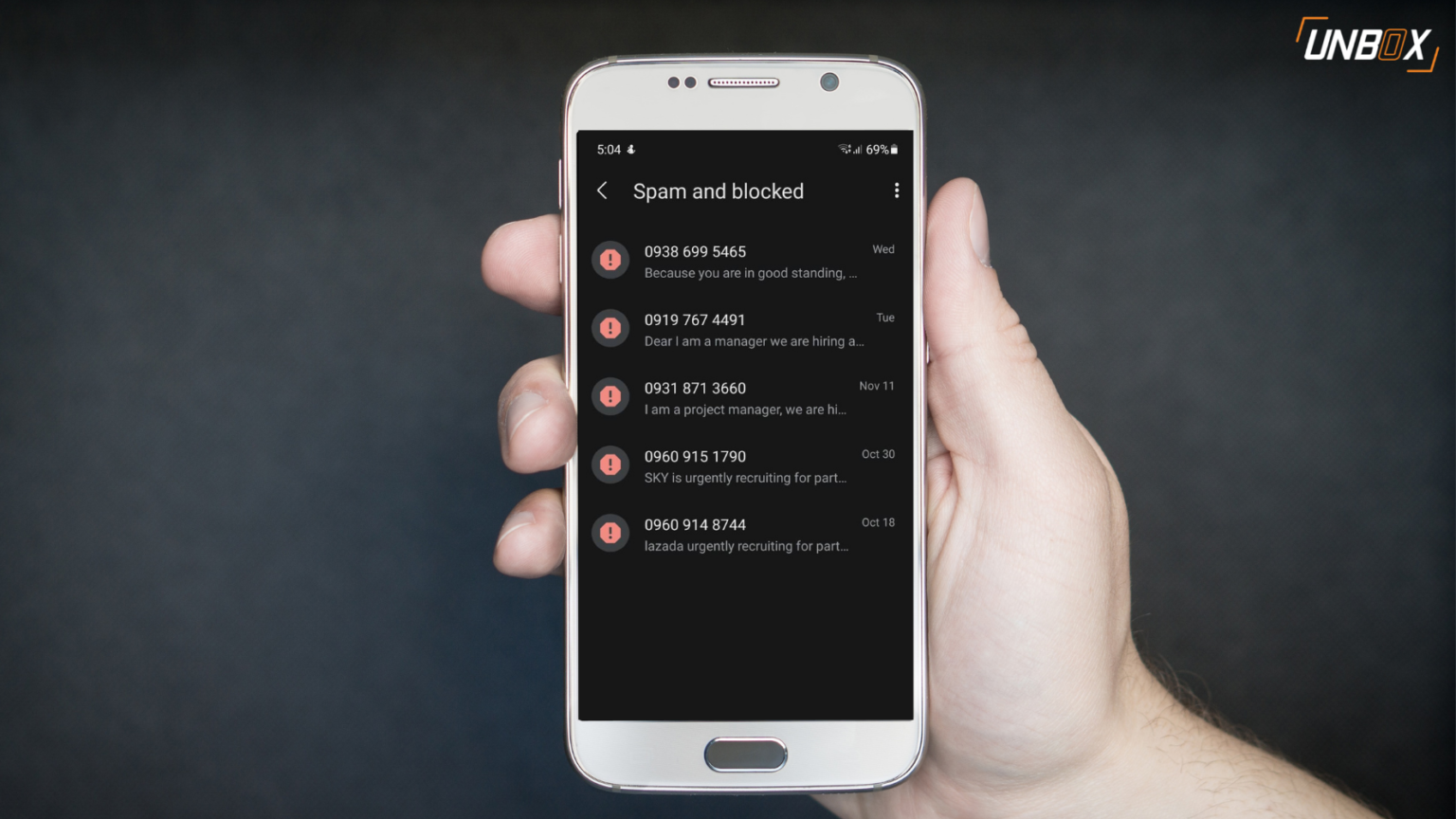
Scams continue to be rampant, and one of those that Filipinos tend to easily fall for are those involving SMS texts and calls. It’s a serious matter: BPI shared to us in their cybersecurity seminar that Filipinos received over 6 million scam texts and over 600,000 scam calls, and that on average Filipinos would lose Php 16,000 to these scams in a year on average.
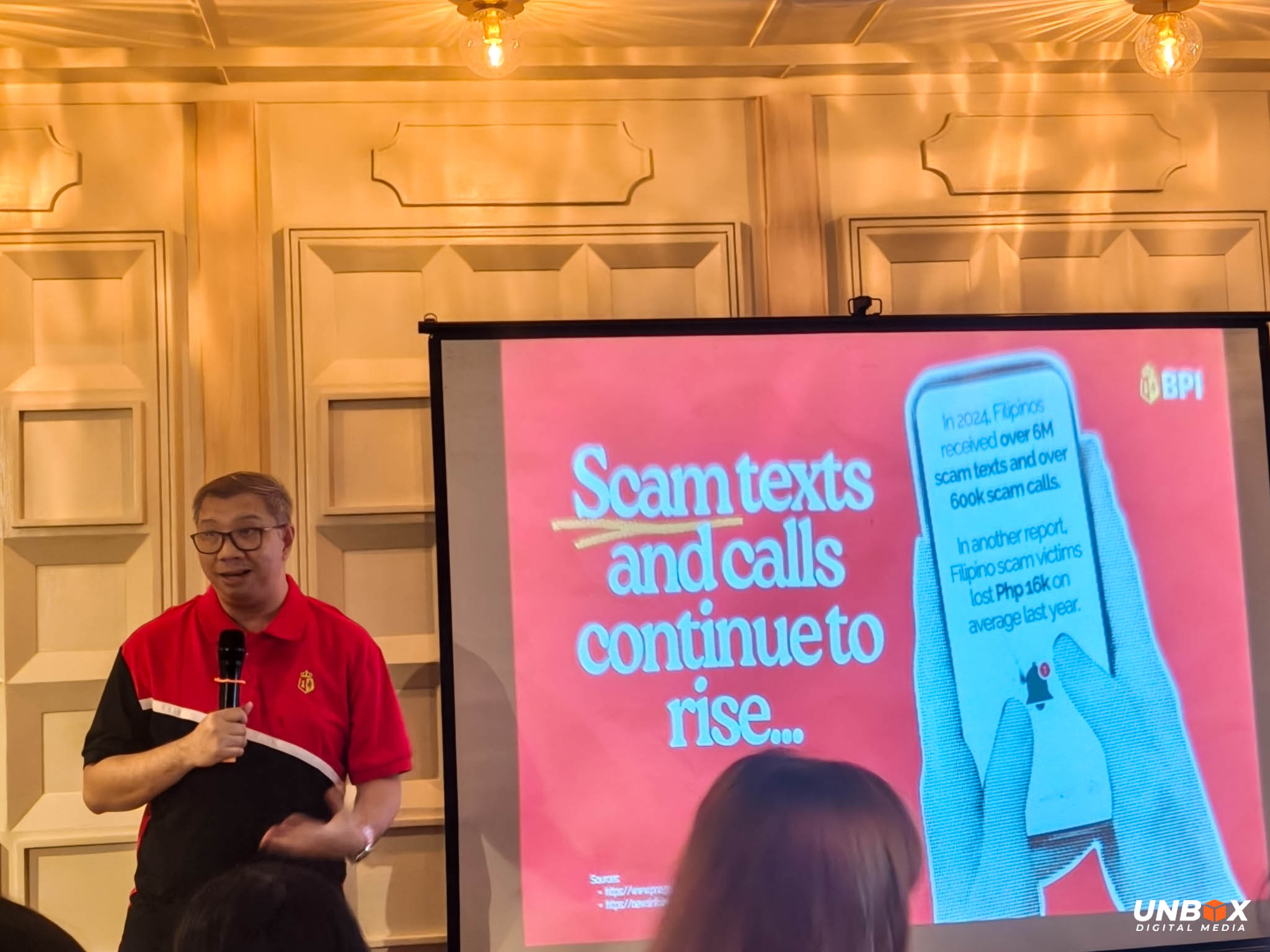
How and why is this happening? BPI Enterprise Information Security Officer and Data Protection Officer Jon Paz explained that in their research, scammers in the Philippines use two methods: IMSI catchers and malicious malware.
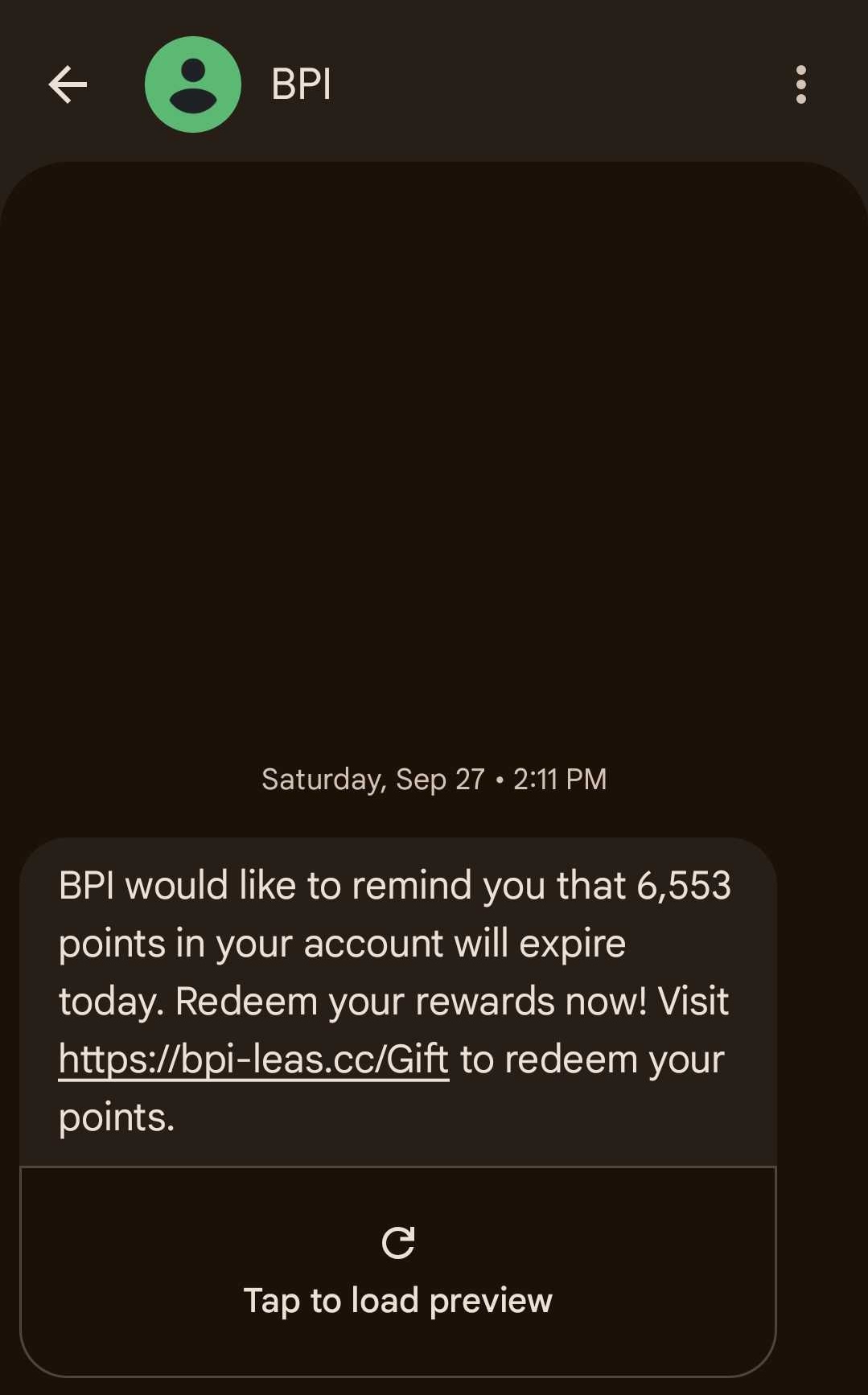
The former is what scammers in the Philippines often use: these small devices are used to simulate or mimic cell towers in certain areas, using official channels to send phishing texts. Paz told us that IMSI catchers used in the Philippines utilize 2G and 3G networks, which is why telcos are pushing to phase out their 2G and 3G networks to lessen the occurrences of these scams.
A more sophisticated one involved installing malicious software remotely. Paz shared a similar incident during the BPI Cybersecurity seminar, where a scammer attempted to defraud one of BPI’s channel managers by claiming that they needed to update their eGOV app–only for scammers to make attempts of remotely controlling the channel manager’s phone into tricking them to give their bank details. BPI’s IT and data protection team was able to flag the suspicious remote installation of a rogue app. Luckily, no funds were lost in the scam attempt.
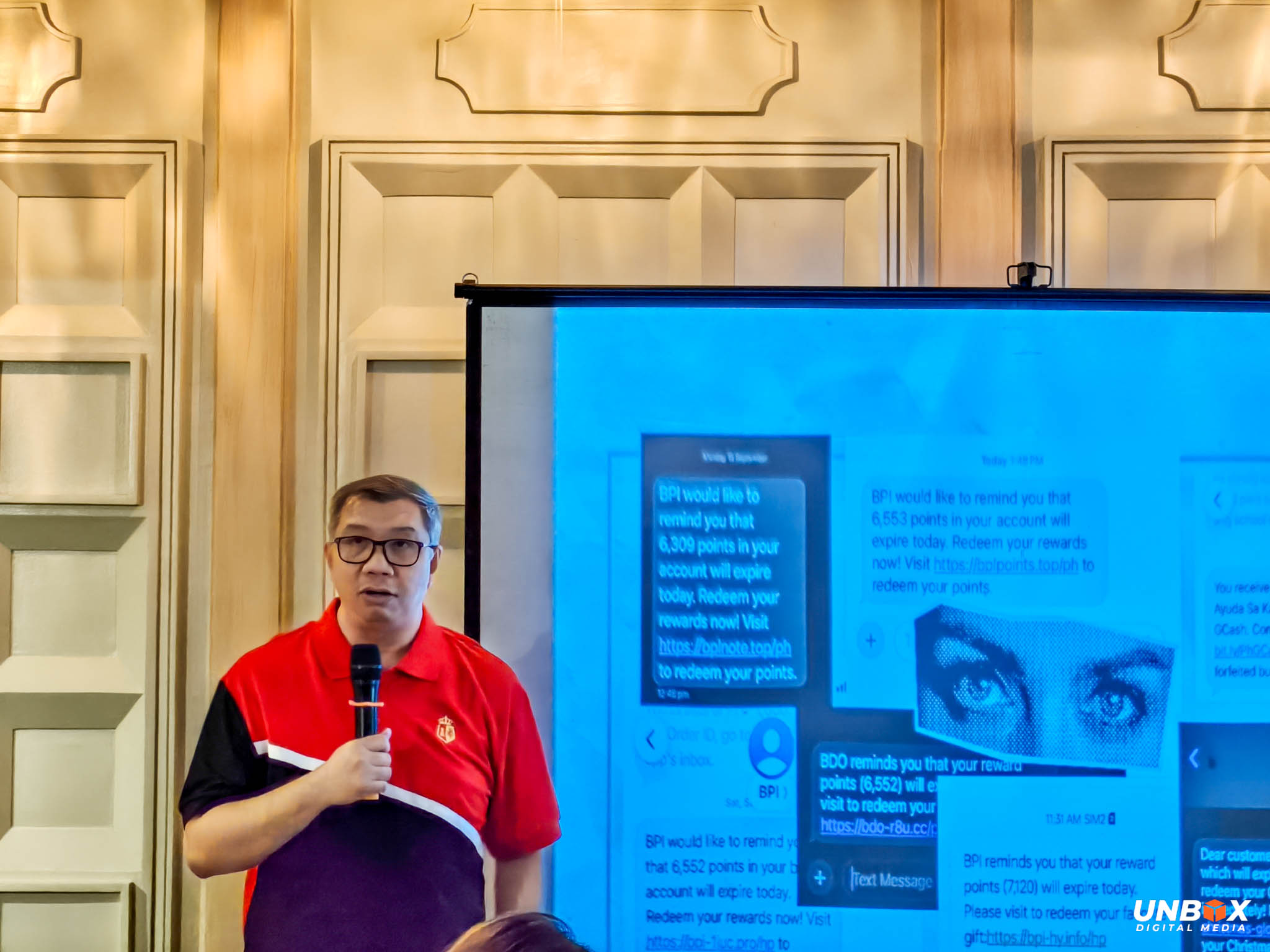
While companies like BPI are doing their best effort to reduce these scams with their cybersecurity knowledge, Paz emphasized that users should do their part as well in identifying these scams. Red flags like URLs sent via SMS or emails from suspicious addresses masquerading as a legitimate company should keep Filipinos aware of these common scams, and things that are too good to be true–ie. winning a million credit card points out of the blue–should be telltale signs as well.
Aside from that, BPI Chief Technology Officer Alex Seminiano reminded the public to not share their authentication credentials like OTPs and passwords to anyone, and to always enable multi-factor authentication. “The whole security mechanism of banking is based on trust identication,” Seminiano added.