Google is doing its part in addressing the global RAM shortage with stricter guidelines on how Android apps manage memory. It’s a welcome move for Android users, especially with most 2026 releases having less RAM–and that we’re back at an era where phones with 4GB RAM exist.
RELATED:
Google’s new app guidelines is meant to help phones with limited memory to have a smoother experience: for example, if an app exceeds Google’s predefined memory thresholds, Android’s core system will intervene by either slowing down the app for do a force close to prevent crashes.
For a phone that has 4GB RAM, Google’s limits on app memory usage are up to 2GB in the foreground, 1GB for user-perceived services, and 1GB in the background.

To do this, Google is asking Android app developers to implement various memory optimization methods like Dynamic memory usage–which refers to the temporary memory an app consumes while it’s running, Bitmap memory usage–which refers to resources used for displaying images, and Optimized DEX code.
Google is giving Android app developers until February 2027 to implement the changes to ensure proper memory optimization. Those who fail to comply may risk losing visibility or publishing rights on the Play Store.
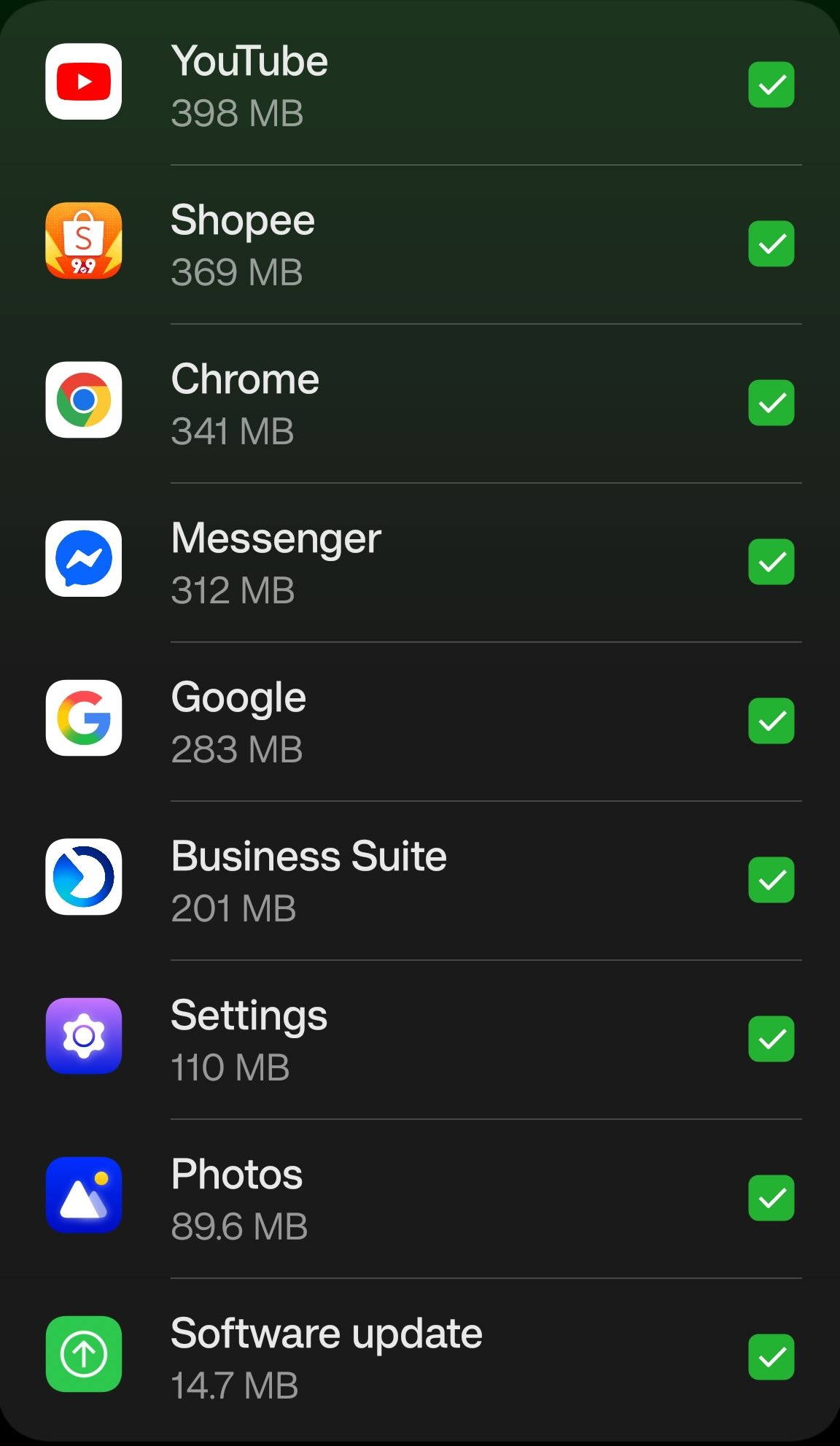
We’re curious how Google will implement memory usage limits, as some apps would consume as much as 400MB of memory on a phone with 12GB RAM–and that figure can be bigger. It also raises questions about how these rules will impact “Lite” app variants designed for phones with modest internals and Android Go devices. Google plans to reveal additional developer tools and guidance later this year to assist with proper optimization.
Memory optimization is not limited to Android: even Microsoft is working on optimizing Windows 11 to run smoothly on computers with 8GB RAM so that users will not be pressured to buy more memory for a smoother experience.