What do you need to know:
- QR PH dominates the cashless scene in the Philippines, with PayMongo revealing that the unified QR system now commands 55% of its total payment volume in 2026—a leap from just 16% in 2025.
- While e-wallets hold a 21% share and credit/debit cards sit at 19%, PayMongo notes that cards remain the go-to choice for high-ticket corporate expenses and large, one-time transactions.
- This 3x year-over-year growth perfectly aligns with the BSP’s digital roadmap, driven by QR PH’s ability to let small merchants consolidate multiple banks and e-wallets into a single, hassle-free payment terminal.
As the Philippines is pushing to make digital payments more accessible, PayMongo reveals in their study that QR PH represents 55% of its payment volume on its platform for 2026. That’s a big spike from only representing 16% of PayMongo’s payment volume back in 2025.
Compared to other digital payment methods, cards represent 19% of PayMongo’s payment volume while eWallets represent 21%. While Card transactions are small, PayMongo explained that they are usually used for high-ticket purchases, corporate expenses, and one-time large payments.

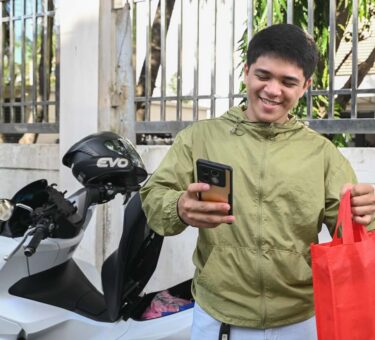
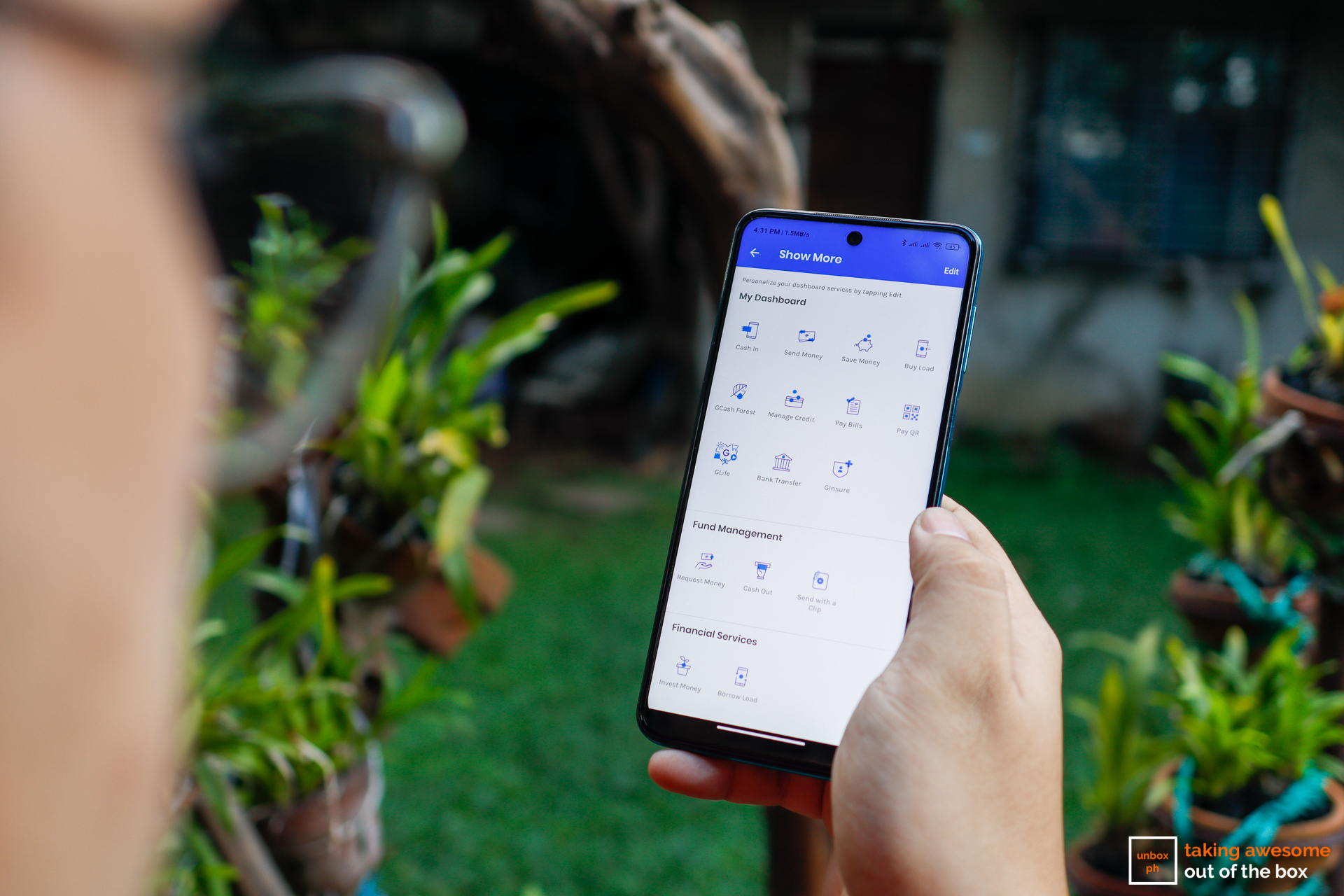
One of the reasons QR PH is the preferred cashless payment method of Filipinos is that it is compatible with multiple banks and eWallets in the Philippines. This is a big convenience for small businesses as it consolidates all of the available payment terminals and apps they have for their customers.
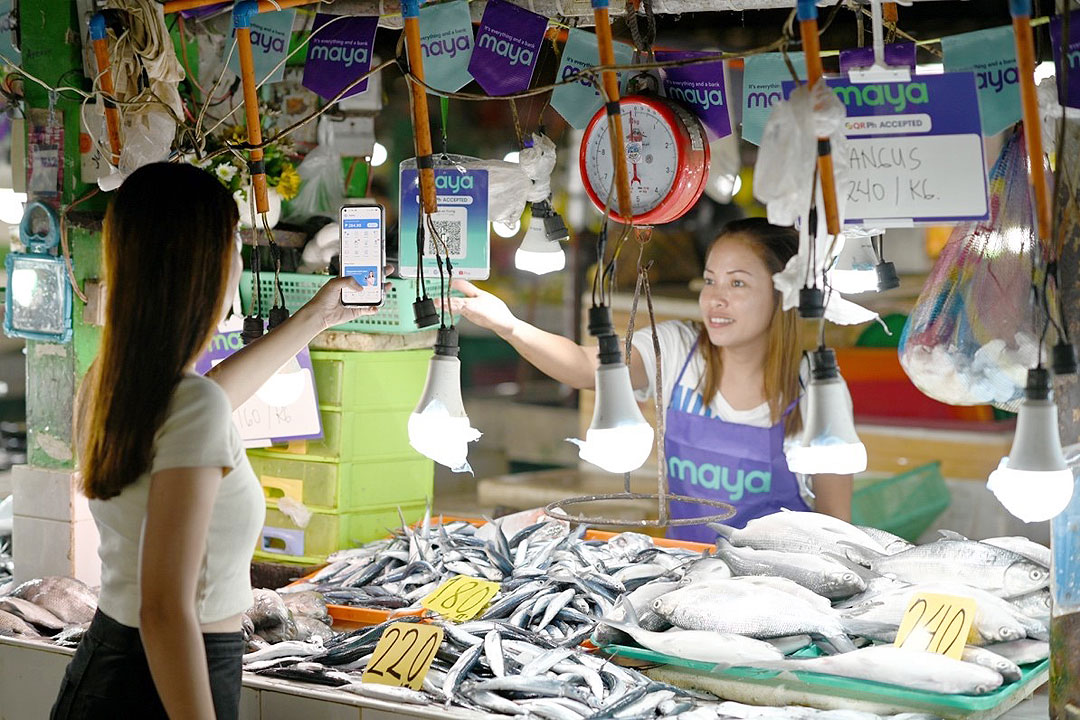
QR PH is used not just for online transactions, but also for in-store payments like in markets. Compared to their data last year, QR PH transactions grew more than 3x year-over-year, showing QR PH’s dominance in the Philippines.
This trend is consistent with BSP’s digital transformation roadmap, and we expect digital payments to be more accessible in the Philippines with BPI removing InstaPay and PESONet fees permanently.